Why Finding the Right Buyer of Silver Matters
A buyer of silver can be a local coin shop, precious metals dealer, online bullion exchange, pawn shop, or refinery. The best choice depends on the type of silver you're selling, the speed of payment you need, and how competitive the offer is. Here's a quick breakdown:
| Buyer Type | Best For | Payment Speed | Typical Payout |
|---|---|---|---|
| Online Bullion Dealers | Recognized coins & bars | 1-3 days after receipt | 95-98% of spot |
| Local Coin Shops | Quick cash, small amounts | Immediate | 85-95% of spot |
| Pawn Shops | Scrap silver, jewelry | Immediate | 50-80% of spot |
| Refineries | Large quantities, scrap | 1-2 weeks | 90-95% of spot |
Selling silver should be straightforward, but many sellers walk away with far less than their metal is worth. With over 1.5 billion ounces of silver purchased by individual investors since the 2008 financial crisis, the market is active and competitive. The difference between a fair deal and getting short-changed often comes down to preparation and knowing where to look.
This guide walks you through every step: identifying what you have, understanding how buyers calculate value, comparing local versus online options, and spotting red flags. Whether you're selling inherited sterling flatware, cashing in American Silver Eagles, or liquidating scrap jewelry, you'll learn how to get the best price with confidence.
I'm Eric Roach. After a decade on Wall Street, I now help everyday investors steer precious metals markets. I've seen that finding the right buyer of silver is crucial for maximizing your returns.
Explore more about buyer of silver:
Understanding What You Have: The First Step to a Great Sale
Before finding a buyer of silver, you must understand what you possess. Knowing your silver's type, purity, and potential collectible value empowers you to confidently assess offers and avoid getting less than your items are worth.
What Types of Silver Do Buyers Purchase?
A reputable buyer of silver is interested in a diverse range of silver products. Here's a breakdown of what you might have:
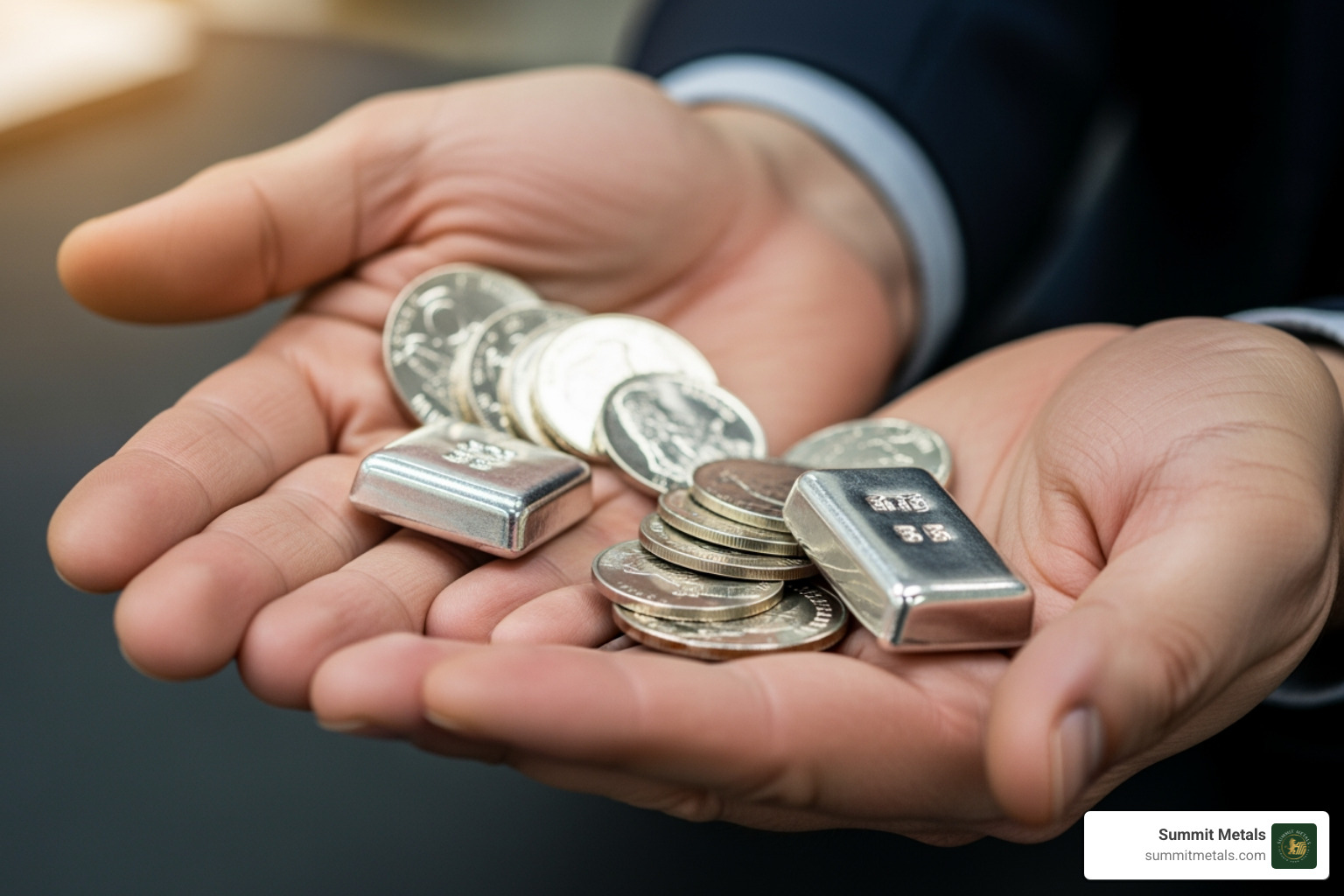
- Silver Bullion (Bars and Rounds): These are the most straightforward items to sell, typically .999 or .9999 fine silver. They are valued almost exclusively for their metal content and are highly liquid assets. Our guide on Bars or Coins? Your Ultimate Silver Investment Guide can help you understand the differences.
-
Silver Coins: This broad category includes bullion, junk, and numismatic coins.
- Bullion Coins: Examples include American Silver Eagles, Canadian Maple Leafs, and Austrian Philharmonics. They are valued for their silver content plus a small premium. Learn more about The American Silver Eagle: A Collector's Dream and Investment Gem.
- Junk Silver: These are pre-1965 U.S. dimes, quarters, and half-dollars containing 90% silver. Their value is based on this silver content.
- Numismatic Coins: Their value comes from rarity, condition, and collector demand, often exceeding their silver content. A specialist buyer of silver will pay more than melt value for these.
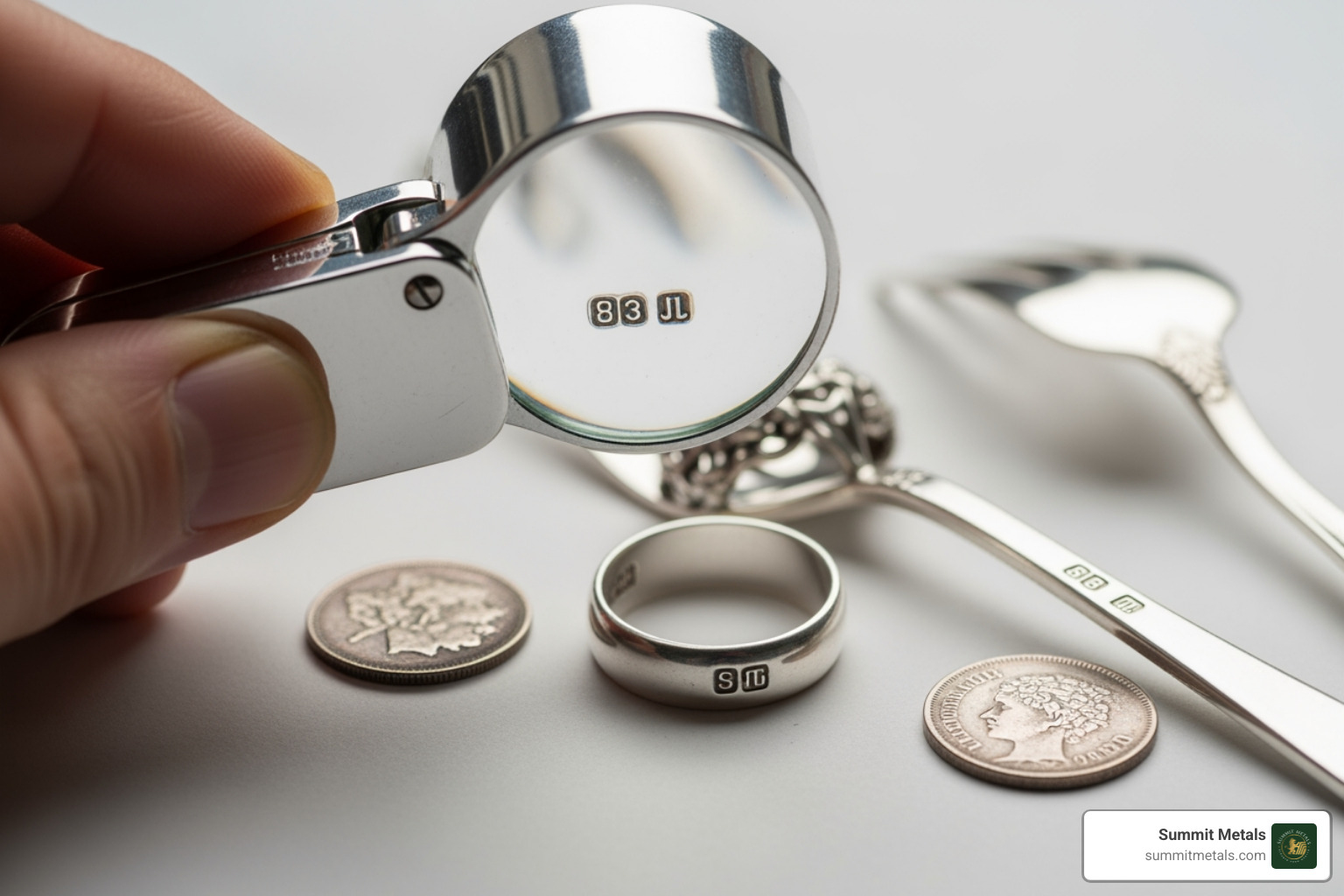
- Sterling Silverware: Flatware, tea sets, and decorative items are often marked "Sterling" or "925," indicating 92.5% purity. Their value is typically based on melt value unless they are from a rare or sought-after pattern.
- Silver Jewelry: Most silver jewelry is sterling (.925). Buyers assess its purity and weight, offering a percentage of its melt value.
- Scrap Silver: This includes any broken or damaged silver items. The value is based purely on its silver content. Learn more about selling scrap gold and silver.
How to Determine the Value of Your Silver Before Selling
Doing your homework before approaching a buyer of silver is crucial. This ensures you know if an offer is fair.
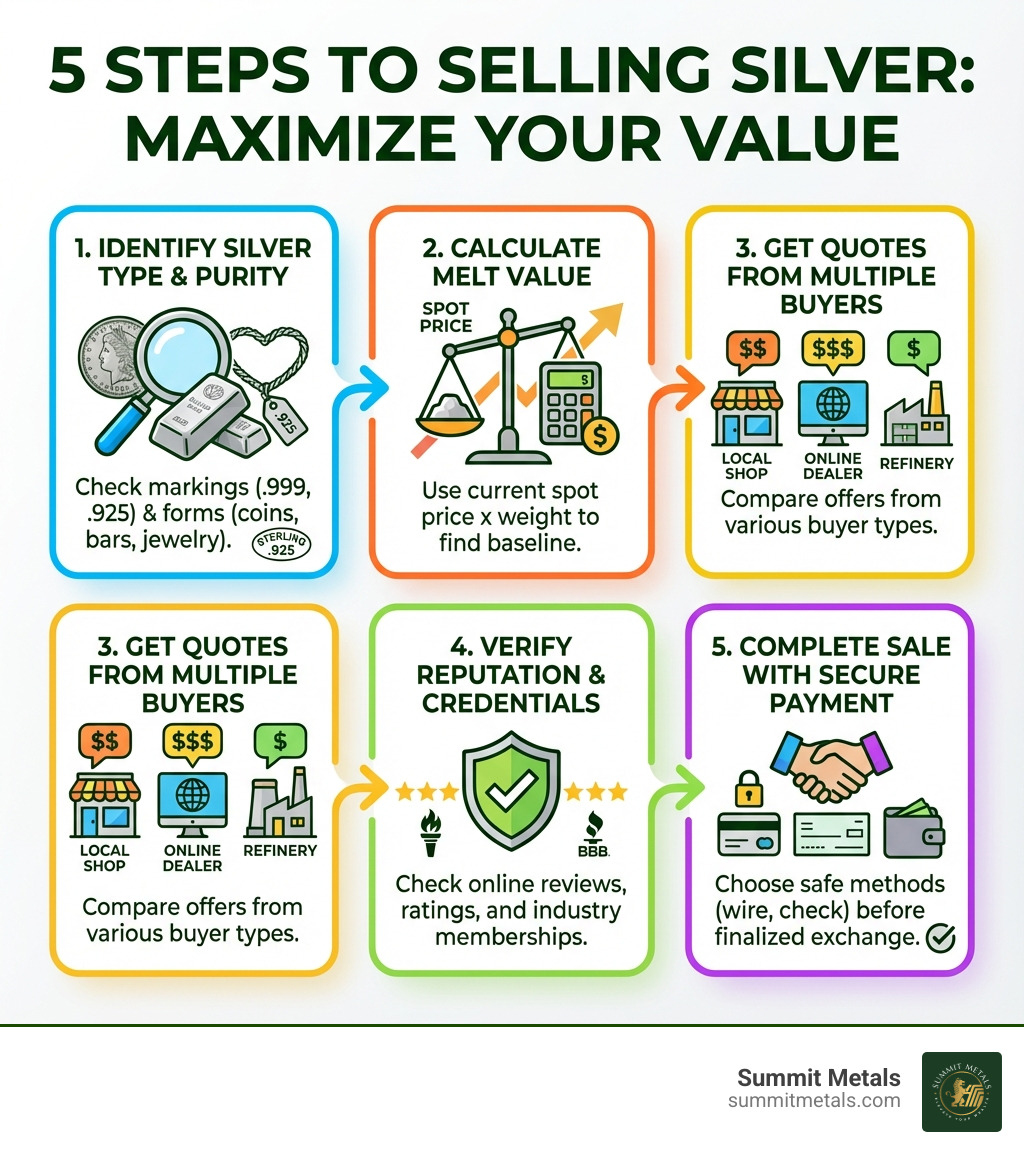
- Identify Purity Marks (Hallmarks): Look for stamps like .999 (pure silver), .925 or Sterling (92.5% pure), or .900 (common on older U.S. coins). Items marked "Silverplate" or "EPNS" have no intrinsic silver value.
- Weigh Your Silver: Use a digital scale that measures in grams or troy ounces. Precious metals are measured in troy ounces (31.1 grams), not standard ounces (28.35 grams). This difference is significant! Our article How Much Is a Pound of Silver Worth? explains this.
- Calculate Melt Value: This is the intrinsic value of the metal. Find the current spot price, multiply it by the purity percentage, then multiply by the weight in troy ounces. For example: with a spot price of $25/troy ounce and 10 troy ounces of sterling silver (.925 pure), the melt value is $25 * 0.925 * 10 = $231.25. This is your baseline. For more detail, read Silver's Worth: A Deep Dive into Precious Metal Value.
- Separate Collectible Items: Research your coins or silverware online. A rare coin or antique pattern can be worth far more than its melt value. Don't let a buyer of silver offer you melt for a collectible! Our guide can help you uncover the true value of your silver coins.
Are Bullion, Jewelry, or Coins More Valuable?
Items with higher purity and easier authentication are more liquid and command a higher percentage of the spot price. Bullion is the most straightforward to sell for a high percentage of spot. Numismatic coins can be more valuable in dollar terms but require a specialist buyer. Sterling silver yields less per gram due to lower purity and refining costs.
| Feature | Silver Bullion (Bars/Coins) | Sterling Silverware/Jewelry | Numismatic/Collectible Coins |
|---|---|---|---|
| Purity | Very high (.999, .9999) | Moderate (.925) | Varies (e.g., .900, .500, or .999 for proofs) |
| Liquidity | Very High (easily converted to cash) | Moderate (may require more specific buyers) | Moderate to High (niche market) |
| Payout % of Spot | 95-98% (for recognized bullion) | 70-90% (due to refining costs and dealer's spread) | Varies greatly (can be well above spot for rare items) |
| Ease of Sale | Very Easy (standardized, easily verified) | Moderate (requires testing and identification) | Moderate (requires expert appraisal) |
Liquidity is a critical factor in precious metals. Our article on why liquidity matters explains this in more detail.
Key Factors Influencing a Buyer of Silver's Offer
When you approach a buyer of silver, their offer is a calculated figure based on several dynamic factors. Understanding these will help you gauge the fairness of any offer.
The Spot Price of Silver and Market Trends
The most significant factor is the current "spot price" of silver, which is the real-time market price for one troy ounce. This price fluctuates constantly due to several forces:
- Global Demand: Silver demand comes from both investors and industry. As a safe-haven asset, investment demand often rises during economic uncertainty. Unlike gold, a large portion of silver is used in industrial applications like electronics and solar panels, so strong economic growth can also boost prices. You can learn more about how to track and understand silver prices.
- Geopolitical Factors: Global instability and changes in monetary policy can cause prices to swing, as silver is often used as a hedge against inflation. For more on this, see our guide on the key factors influencing gold & silver prices.
- World Supply: The annual world silver supply is roughly 1 billion ounces, with about 80% from mining and 20% from recycling, according to the World Silver Survey. Recent supply deficits have helped support prices.
How Purity, Weight, and Condition Affect Your Payout
Beyond the spot price, a buyer of silver will assess your items based on these factors:
- Melt Value: This is your baseline, calculated from the item's weight and purity. A .999 fine silver bar has a higher melt value per ounce than a .925 sterling silver ring because it contains more pure silver.
- Purity Levels: A buyer will use precise methods (like XRF machines or acid tests) to confirm purity. Our Beginners Guide to Silver Properties offers more insight.
- Dealer's Spread: No buyer pays the exact spot price. The difference between spot and their offer is the "spread," which covers their business costs, testing, and profit margin. A fair spread is typically a few percentage points below spot for bullion.
- Condition: For bullion, items in original packaging fetch a higher price. For numismatic coins, the grade is paramount and can dramatically alter value. For scrap or jewelry, condition is irrelevant unless the item has collectible value.
- Premiums: Bullion from recognized mints (U.S. Mint, Royal Canadian Mint) often carries a higher premium and thus a higher payout than generic silver due to brand recognition and guaranteed purity.
The Selling Process: Online vs. Local Silver Buyers
Once you know what you have, you must decide where to sell. Your two main avenues are local buyers and online dealers, each with distinct pros and cons.
Selling to a Local Buyer of Silver
Selling locally offers immediacy and face-to-face interaction. In places like Salt Lake City, Utah, you'll find various options.
Types of Local Buyers:
- Coin Shops & Precious Metal Exchanges: These are often excellent choices, especially for coins and bullion. Specialists like Summit Metals in Salt Lake City offer transparent, real-time pricing and competitive rates.
- Jewelers: Some buy scrap silver, but their offers may be lower as their primary business is selling finished jewelry.
- Pawn Shops: A last resort. They offer immediate cash but at significantly lower prices, as they are primarily lenders.
Pros of Selling Locally:
- Immediate Payment: Walk in with silver, walk out with cash or a check.
- No Shipping Risk: Avoid the hassle and anxiety of shipping valuable items.
- Direct Interaction: Ask questions, see the testing process, and negotiate in person.
Cons of Selling Locally:
- Potentially Lower Offers: Overhead costs can translate to lower offers.
- Limited Competition: Fewer local options may limit your ability to get the best price.
- Varying Expertise: A pawn shop may not recognize the numismatic value of a collectible coin.
For more insights, check out Local Silver Buyers: Get Cash for Your Precious Metals.
Selling to an Online Buyer of Silver
Online dealers have revolutionized silver selling, offering convenience and competitive pricing.
Types of Online Buyers:
- Major Bullion Dealers: Large online dealers specialize in buying and selling bullion. Their high volume allows them to offer very competitive prices through dedicated "Sell to Us" programs.
- Online Marketplaces: Sites like eBay allow you to sell directly to collectors, which can fetch higher prices for numismatic items but involves more effort and risk.
Pros of Selling Online:
- Competitive Pricing: Lower overheads often mean higher payouts for you.
- Convenience: Initiate sales and arrange shipping from home.
- Wider Reach: Access a national market for potentially better offers.
Cons of Selling Online:
- Shipping Process & Risk: You must securely package, ship, and insure your items.
- Payment Delay: Payment is issued after the dealer receives and verifies your silver, which can take several days.
- Trust Requirement: You must send your items before the dealer verifies them.
How the Online Selling Process Typically Works:
- Get a Quote: Visit the dealer's "Sell to Us" page, list your items, and receive a real-time quote based on current spot prices.
- Lock In Price: If you accept, you lock in the price, guaranteeing your payout regardless of market fluctuations during shipping.
- Ship Your Silver: You'll receive instructions for secure packaging and shipping, often requiring specific carriers and insurance.
- Verification and Payment: The dealer verifies the items upon receipt. If everything matches, they issue payment via bank wire, check, or direct deposit.
For a comprehensive comparison, read our article Online vs. Local: Where to Sell Silver.
Finding a Reputable Buyer and Avoiding Scams
Finding a trustworthy buyer of silver doesn't have to be a gamble. By knowing what to look for and what red flags to avoid, you can ensure a safe and profitable transaction.
What to Look for in a Reputable Silver Buyer
A good buyer of silver prioritizes transparency, fairness, and customer satisfaction. Here’s what to scrutinize:
- Transparent Pricing: A reputable buyer will clearly display their buy prices and explain how they relate to the current spot price. We believe in providing real-time, transparent pricing so you always know where you stand.
- Positive Reputation: Do your research. Look for dealers with a high volume of positive reviews on independent sites like Google or the Better Business Bureau. Check their rating on the Better Business Bureau (BBB) website to see how they handle complaints.
- Professional Accreditations: Membership in industry organizations (like the American Numismatic Association) indicates legitimacy and adherence to ethical standards.
- Clear Communication: The buyer should be willing to answer all your questions about the process without being pushy or vague.
- Secure Transaction Process: Whether online or in person, the transaction should feel secure, with clear shipping instructions, insurance options, and visible, accurate scales.
- Expertise: A buyer with specialized knowledge is crucial for getting fair value for collectible coins or unique antique silver.
For more tips, read Don't Get Fleeced: Finding the Most Reputable Online Silver Coin Dealers.
Common Scams and How to Protect Yourself
Being aware of common scams can save you from significant losses.
- Bait-and-Switch Pricing: A buyer advertises high prices to get you in the door, then drastically lowers the offer, citing vague issues. If an offer changes without a clear reason, walk away.
- Inaccurate Scales: Dishonest buyers may use uncalibrated scales. Weigh your silver at home first and ensure the buyer's scale is visible and zeroed out during the transaction.
- High-Pressure Tactics: A buyer might rush you or claim prices are about to drop. Never feel pressured to sell. It's your silver; take your time and get multiple quotes.
- Unsolicited Offers: Be wary of unexpected emails, calls, or messages from unknown parties. Only deal with established buyers you have researched yourself.
- Vague Payout Structures: If a buyer can't clearly explain how they arrived at their offer, it's a red flag. Insist on a clear breakdown based on spot price, purity, and weight.
We've covered these and more in How to Avoid Common Precious Metals Scams and Beginner Gold and Silver Selling Mistakes and How to Avoid Them.
Frequently Asked Questions about Selling Silver
We often get questions from individuals looking to sell their silver. Here are some of the most common ones we encounter:
How much do buyers pay for sterling silver?
A buyer of silver typically pays a percentage of the melt value for sterling silver. Since sterling is 92.5% pure, its value is based on its actual silver weight (ASW) at the current spot price. After calculating this value, buyers deduct their spread to cover costs and profit. You can generally expect offers from 70% to 90% of the sterling's melt value, depending on the buyer and volume.
Do I have to pay taxes when I sell my silver?
Yes, profits from selling silver are generally subject to capital gains tax in the U.S. The rate depends on how long you held the asset (short-term vs. long-term). Certain high-volume sales of silver bars or 90% silver U.S. coins have specific IRS reporting requirements. We strongly recommend consulting with a qualified tax professional for advice specific to your situation, as tax laws are complex.
What is the difference between the spot price and the price I get paid?
The spot price is the benchmark market price for one troy ounce of raw silver. The price you get paid by a buyer of silver will be below spot. This difference is the dealer's spread, which covers their operational costs, testing, refining fees, and profit. A reputable buyer will have a competitive and transparent spread, ensuring you receive a high percentage of your silver's melt value in a fair transaction.
From Selling to Stacking: Your Next Move in Precious Metals
Selling silver can be a smart financial move, whether you're liquidating an inheritance, rebalancing your portfolio, or cashing in on an investment. By understanding your items' value, tracking market trends, and carefully vetting buyers, you ensure you get the best possible price. Our goal at Summit Metals is to empower you with the knowledge to make informed decisions.
Once you've open uped the cash from your silver, consider reinvesting to grow your wealth. A strategy like dollar-cost averaging with an Autoinvest program allows you to regularly buy precious metals, building your stack over time without trying to time the market. This consistent approach, much like contributing to a 401k, smooths out market fluctuations and is a powerful way to accumulate wealth. Summit Metals provides a trusted platform for both selling and buying, with transparent, real-time pricing.
Ready to sell your precious metals or start building your new investment? Learn more about selling your precious metals to us or explore our Autoinvest options to set up regular purchases of gold and silver. We're here to help you steer the precious metals market with confidence.