Why Silver IRA Rules Matter for Your Retirement Security

Silver IRA rules govern how you can hold physical silver in a tax-advantaged retirement account. Here's what you need to know upfront:
Core Silver IRA Rules:
- Purity Standard - Silver must be .999 fine (99.9% pure) or better.
- Approved Products - Only specific government-minted coins or bars from accredited refiners are allowed.
- No Home Storage - An IRS-approved depository is required for storage.
- Contribution Limits - For 2024, limits are $7,000 annually ($8,000 if age 50+).
- Withdrawal Age - Penalty-free withdrawals begin at age 59½.
- RMDs Required - Required Minimum Distributions must begin at age 73 for Traditional IRAs.
- Prohibited Items - No collectibles, numismatic coins, or jewelry are permitted.
A Silver IRA is a self-directed Individual Retirement Account that lets you own physical silver—coins and bars—instead of just paper assets like stocks or bonds. Unlike traditional IRAs that limit you to conventional securities, a Silver IRA gives you direct ownership of a tangible asset stored in a secure, IRS-approved facility.
The appeal is straightforward: silver has historically maintained its purchasing power during times of inflation and market turmoil. But there's a catch. The IRS has very specific rules about what silver qualifies, where it must be stored, and how you can access it. A misstep—like buying a collectible coin or storing metal at home—can trigger immediate taxes, penalties, and potentially disqualify your entire IRA.
At Summit Metals, we help investors steer Silver IRA rules to build resilient portfolios, using a disciplined risk-management approach to protect and grow their retirement savings.
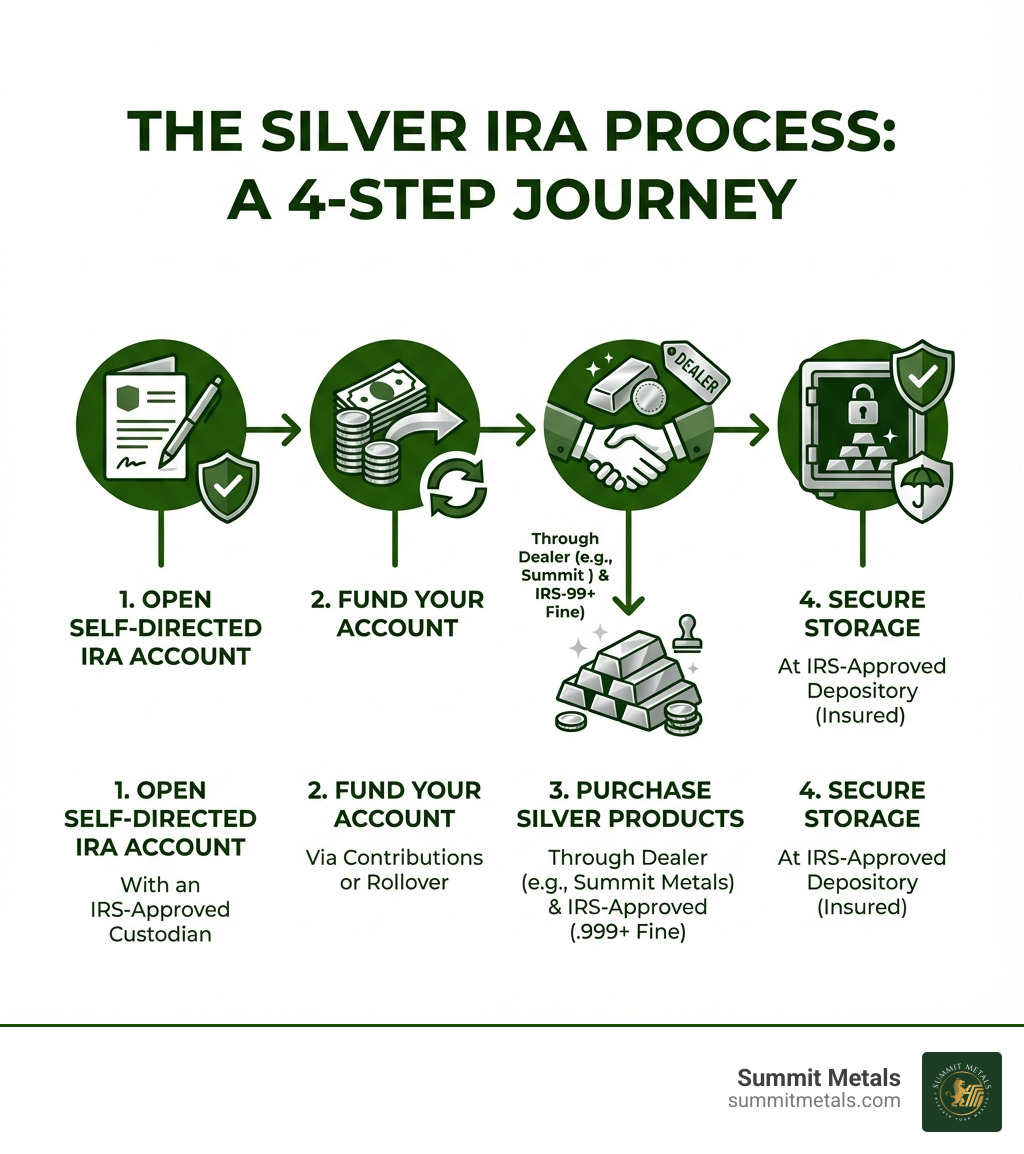
Important Silver IRA rules terms:
The Pros and Cons of Investing in a Silver IRA
Investing in a Silver IRA is a strategic move for many, but weigh the benefits and drawbacks before adding physical silver to your retirement portfolio.
Pros of a Silver IRA:
- Hedge Against Inflation: Silver has historically served as a hedge against inflation. When the purchasing power of currency declines, tangible assets like silver tend to retain or increase in value, preserving wealth.
- Portfolio Diversification: Silver's price movements don't always align with stocks and bonds. Adding it to your IRA can diversify your portfolio, potentially reducing overall risk and buffering against market downturns.
- Tangible Asset Ownership: A Silver IRA gives you direct ownership of physical silver bullion or coins, providing a sense of security that paper assets cannot match.
- Industrial Demand Driver: Silver is a critical component in electronics, solar panels, and electric vehicles. This dual demand (investment and industrial) provides strong price support and growth potential.
- Lower Entry Point: Compared to gold, silver's lower price per ounce makes it more accessible for investors looking to enter the precious metals market.
Cons of a Silver IRA:
- No Dividends or Interest: Physical silver does not generate income like stocks or bonds. Returns come solely from price appreciation.
- Higher Volatility Than Gold: Silver tends to be more volatile than gold. Its price can fluctuate more significantly, which may not suit all risk tolerances.
- Storage and Insurance Costs: Your physical silver must be held in an IRS-approved depository, which involves annual storage and insurance fees that can impact overall returns.
- Liquidity Considerations: Selling physical silver from an IRA is not as instantaneous as trading stocks. The process involves your custodian and dealer and may take a few business days.
Weigh these factors carefully against your personal financial goals and risk tolerance when considering a Silver IRA.
Navigating the Core Silver IRA Rules and IRS Mandates
Strict adherence to IRS regulations is the backbone of a successful Silver IRA. These rules ensure your investment qualifies for tax advantages and isn't treated as a "collectible," which would trigger taxes and penalties. Understanding Silver IRA rules is paramount.
The IRS generally considers precious metals "collectibles." However, a crucial exception in IRC Section 408(m) permits IRAs to hold specific gold, silver, platinum, and palladium products that meet strict standards. For a complete overview, see The Ultimate Rulebook for Precious Metals IRA Investors.
IRS Purity and Type Requirements
To qualify for a Silver IRA, the metal must be at least .999 fine (99.9% pure) or better. This ensures the silver is investment-grade.
Eligible products include:
- Coins: Must be produced by an approved government mint (e.g., American Silver Eagle).
- Bars and Rounds: Must be produced by an accredited refiner (e.g., COMEX/NYMEX approved) and meet the .999+ fineness requirement.
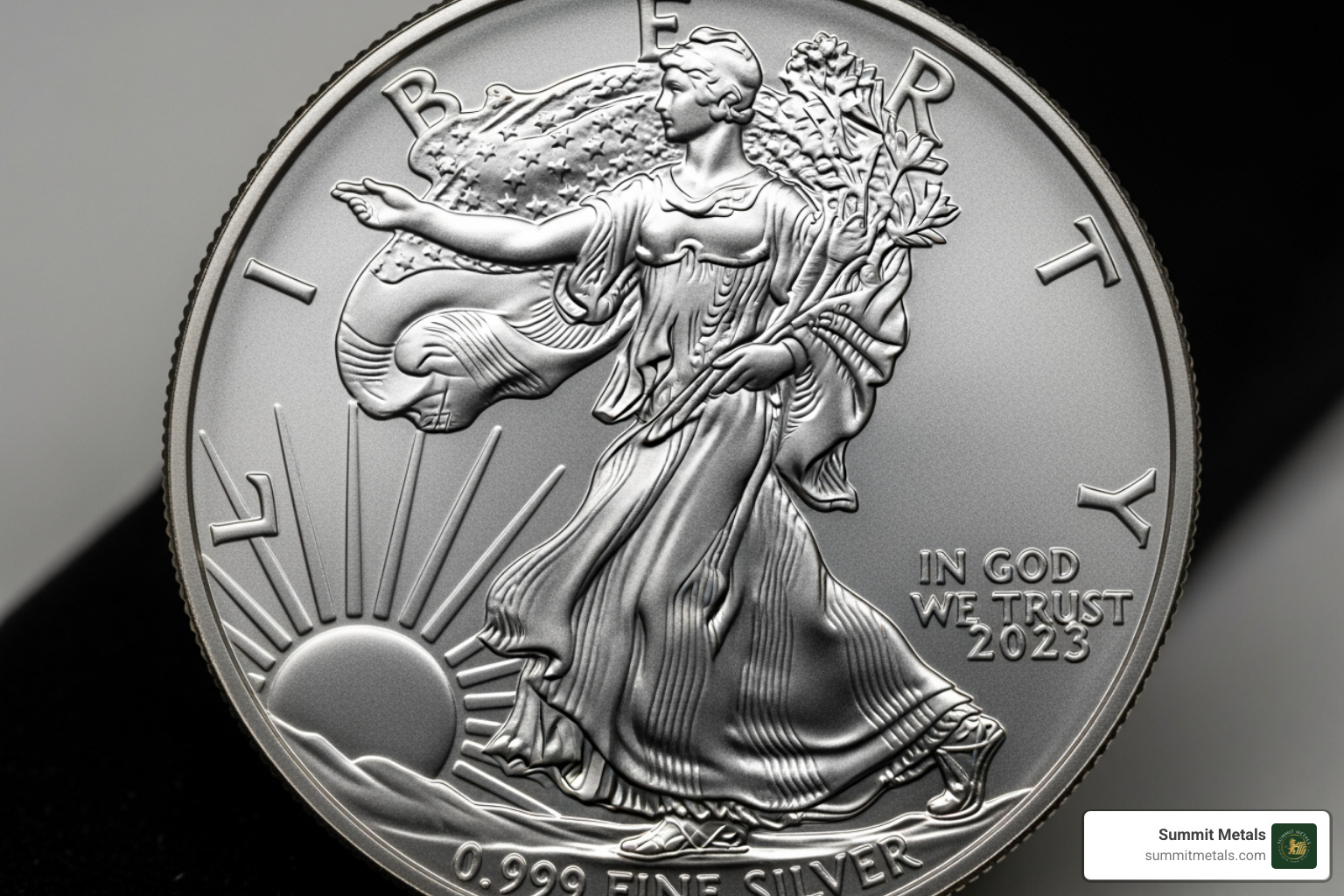
Non-approved metals include numismatic (collectible) coins, jewelry, and any products below the required .999 fineness. The focus is on investment-grade bullion, not rare or decorative items.
Popular IRA-approved silver products include:
- American Silver Eagle coins
- Canadian Silver Maple Leaf coins
- Austrian Silver Philharmonic coins
- Australian Silver Kangaroo coins
- Mexican Silver Libertad coins
- Various .999+ fine silver bars and rounds from approved refiners
[COMPARISON CHART] Silver Coins vs. Silver Bars for Your IRA
Choosing between coins and bars depends on your investment strategy. Both are excellent options that comply with Silver IRA rules.
| Feature | Silver Coins (e.g., American Silver Eagle) | Silver Bars (.999+ fine) |
|---|---|---|
| Legal Tender | Yes, government-backed, face value adds fraud protection | No |
| Recognizability | High – easily identified and trusted globally | Moderate to High – depends on brand and size |
| Premiums | Typically higher over spot price due to minting costs | Lower over spot price |
| Divisibility | Easy to liquidate in small amounts (e.g., 1 oz coins) | Less divisible, larger bars may require selling all at once |
| Storage Efficiency | Less space-efficient per ounce due to shape and packaging | More space-efficient per ounce for bulk storage |
| Fraud Protection | Face value, government guarantee adds a layer of protection | No face value, authenticity relies on refiner and dealer |
Government-minted coins like the American Silver Eagle offer high trust and recognizability. Bars, however, typically have lower premiums over the spot price, making them a cost-effective way to acquire more silver for your dollar.
How to Set Up and Fund Your Silver IRA: A Step-by-Step Guide
Setting up a Silver IRA is a straightforward process with the right team. At Summit Metals, we simplify every step.
The Three Key Players: Custodian, Dealer, and Depository
Silver IRA rules mandate three separate entities to manage your account:
- The IRA Custodian: An IRS-approved financial institution that administers your account, executes transactions, and handles all required reporting.
- The Precious Metals Dealer: This is our role at Summit Metals. We help you select and purchase IRS-approved silver at transparent, competitive prices, and we ship it directly to your chosen depository.
- The Depository: A secure, insured, IRS-approved facility where your physical silver is stored. Home storage is prohibited. Learn more in our Guide to IRS Approved Precious Metals Depositories.
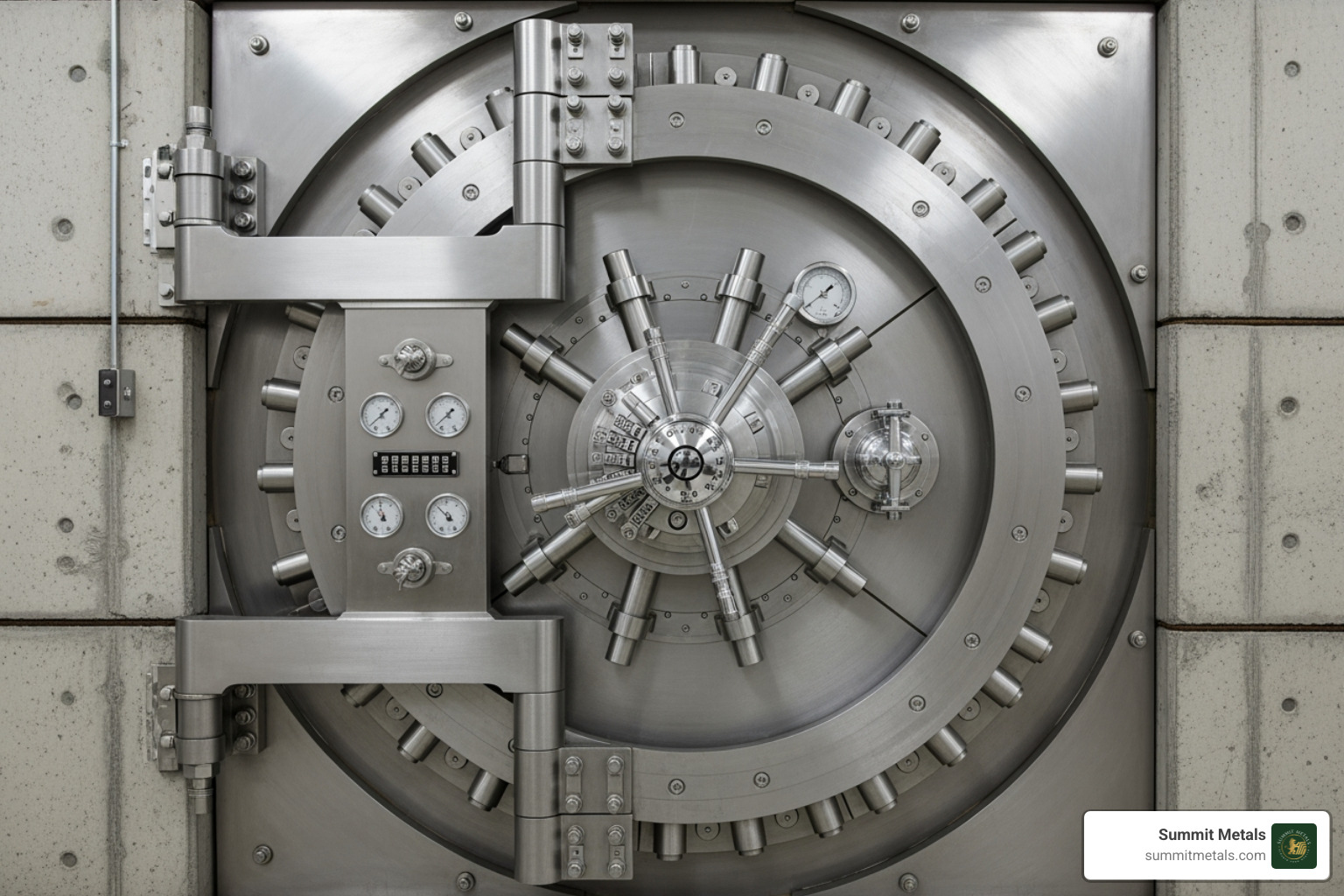
Funding Your Account: Contributions, Transfers, and Rollovers
Once your account is open, you can fund it in several ways:
- Annual Contributions: Contribute cash up to the annual limit ($7,000 for 2024, or $8,000 if age 50+). Your custodian uses these funds to purchase silver on your behalf.
- Transfers: Move funds directly from an existing IRA to your new Self-Directed Silver IRA. This is a non-taxable, custodian-to-custodian event.
- Rollovers: Move funds from an employer-sponsored plan like a 401(k) or 403(b). A direct rollover is recommended, where funds move directly to your new custodian. An indirect rollover, where you receive a check, must be completed within 60 days to avoid taxes and penalties.
For more on moving funds, see our Guide to Gold IRA Transfers.
Your choice of account type (Traditional, Roth, or SEP) affects your taxes. Traditional and SEP IRAs offer tax-deferred growth, while Roth IRAs provide tax-free withdrawals in retirement, subject to income limitations for contributions.
A Smart Approach: Dollar-Cost Averaging with Silver
Dollar-cost averaging is a powerful strategy to mitigate market volatility. By investing a fixed amount regularly, you buy more silver when prices are low and less when they are high.
Summit Metals' Autoinvest program makes this easy. You can set up consistent monthly silver purchases, similar to a 401(k) contribution. This automates your investment, helping you build your silver holdings steadily over time without the stress of market timing. It's a disciplined way to leverage Silver IRA rules for long-term growth.
More info about Autoinvest services
Managing Your Silver IRA: Withdrawals, RMDs, and Common Pitfalls
Properly managing your Silver IRA is as important as setting it up correctly. Understanding the rules for accessing funds and avoiding common mistakes is key.
Understanding the Specific Silver IRA Rules for Withdrawals and RMDs
- Penalty-Free Withdrawals: You can begin taking distributions from your Silver IRA without penalty once you reach age 59½.
- Early Withdrawal Penalties: Withdrawing funds before age 59½ typically results in ordinary income tax plus a 10% penalty, though some exceptions apply.
- Required Minimum Distributions (RMDs): For Traditional and SEP Silver IRAs, you must begin taking RMDs at age 73. These are taxed as ordinary income and may require you to sell some of your silver. Roth IRAs are exempt from RMDs for the original owner.
- Tax Treatment: Distributions from Traditional/SEP IRAs are taxed as ordinary income. Qualified distributions from Roth IRAs are tax-free.
Common Mistakes to Avoid: A Checklist of Silver IRA Rules
Navigating Silver IRA rules means avoiding costly pitfalls. Here are common mistakes to watch out for:
- Taking Physical Possession at Home: Storing IRA-held silver at home is strictly prohibited. It's considered a taxable distribution and will trigger taxes and penalties. Your silver must be held in an IRS-approved depository.
- Buying Non-Approved "Collectible" Coins: Only investment-grade silver is allowed. Buying numismatic or collectible coins will disqualify the investment and incur penalties.
- Missing the 60-Day Rollover Window: When performing an indirect rollover, you have exactly 60 days to deposit the funds into your new IRA. Missing this deadline makes the funds a taxable distribution. Always opt for a direct rollover when possible.
- Not Accounting for All Fees: Be aware of all costs, including setup, annual administration, storage, and transaction fees. Transparent providers like Summit Metals will outline all costs upfront.
- Ignoring the One-Rollover-Per-Year Rule: The IRS permits only one indirect IRA-to-IRA rollover in any 12-month period. This rule does not apply to direct transfers or rollovers from employer plans.
- Not Planning for RMDs: If your Silver IRA is a large part of your retirement savings, plan how you will meet your RMDs. You don't want to be forced to sell silver at an unfavorable time.
Silver IRA vs. Other Precious Metal Investments
Understanding how a Silver IRA compares to other precious metal investments can help you build a well-rounded portfolio.
Silver IRA vs. Gold IRA
Choosing between a Silver and a Gold IRA depends on your goals and risk tolerance. Both offer tax-advantaged ownership of physical metal, but they have key differences.
| Feature | Gold Coin (e.g., American Gold Eagle) | Silver Coin (e.g., American Silver Eagle) |
|---|---|---|
| Price Point | Higher, less accessible for smaller investors | Lower, more accessible for broader participation |
| Volatility | Lower, tends to be more stable | Higher, can experience sharper price swings |
| Industrial Demand | Limited, primarily jewelry and electronics | Significant, crucial for solar, electronics, EVs, medical |
| Safe Haven Status | Strong, traditional store of value | Moderate, also seen as a safe haven, but with industrial ties |
| Face Value | Yes, fraud protection | Yes, fraud protection |
| Portfolio Role | Stability, wealth preservation | Growth & diversification, inflation hedge |
Gold is the traditional safe-haven asset, prized for its stability. Silver offers greater growth potential due to its higher volatility and strong industrial demand. Its lower price also makes it more accessible. Many investors hold both to balance stability with growth. For more on gold, see our IRA Gold Investment Guide.
[COMPARISON CHART] Gold Coin vs. Gold Bar for Your IRA
Just as with silver, investors in a Gold IRA must choose between coins and bars. The trade-offs are similar.
| Feature | Gold Coin (e.g., American Gold Eagle) | Gold Bar (.9999 fine) |
|---|---|---|
| Legal Tender | Yes, government-backed, face value adds fraud protection | No |
| Recognizability | High – easily identified and trusted globally | Moderate to High – depends on brand and size |
| Premiums | Typically higher over spot price due to minting costs | Lower over spot price |
| Divisibility | Easy to liquidate in small amounts (e.g., 1 oz coins) | Less divisible, larger bars may require selling all at once |
| Storage Efficiency | Less space-efficient per ounce due to shape and packaging | More space-efficient per ounce for bulk storage |
| Fraud Protection | Face value, government guarantee adds a layer of protection | No face value, authenticity relies on refiner and dealer |
IRAs and Alternative Assets: ETFs and Mining Stocks
Besides physical metal, IRAs can hold silver-related paper assets:
- Silver ETFs: These funds track the price of silver and offer high liquidity. However, you own a share in a trust, not the physical metal itself, which introduces counterparty risk.
- Mining Stocks: Shares of silver mining companies offer indirect exposure to silver prices. This investment carries risks related to the company's operations and management, separate from the metal's market price.
While these alternatives offer liquidity, they don't provide the direct, tangible ownership that is the primary appeal of a physical Silver IRA.
Conclusion: Is a Silver IRA the Right Move for Your Retirement?
We've explored the intricate Silver IRA rules that are critical for protecting your investment. Understanding purity standards, storage requirements, and contribution rules is the key to success.
A Silver IRA offers a powerful hedge against inflation, valuable portfolio diversification, and the security of owning a tangible asset with strong industrial demand. While considerations like volatility and fees exist, they can be managed with a clear strategy.
For many investors, a Silver IRA is an excellent tool to fortify their financial future. By adhering to IRS rules and working with a trusted partner, you can confidently add physical silver to your retirement plan. At Summit Metals, we are committed to transparent pricing and competitive rates, ensuring you receive exceptional value whether you're in Wyoming, Salt Lake City, or anywhere else we serve.
If you're ready to diversify your retirement savings with physical silver, we encourage you to consider a Silver IRA.
Start securing your future with a precious metals IRA today.