Introduction: Turning Your Precious Metals into Profit
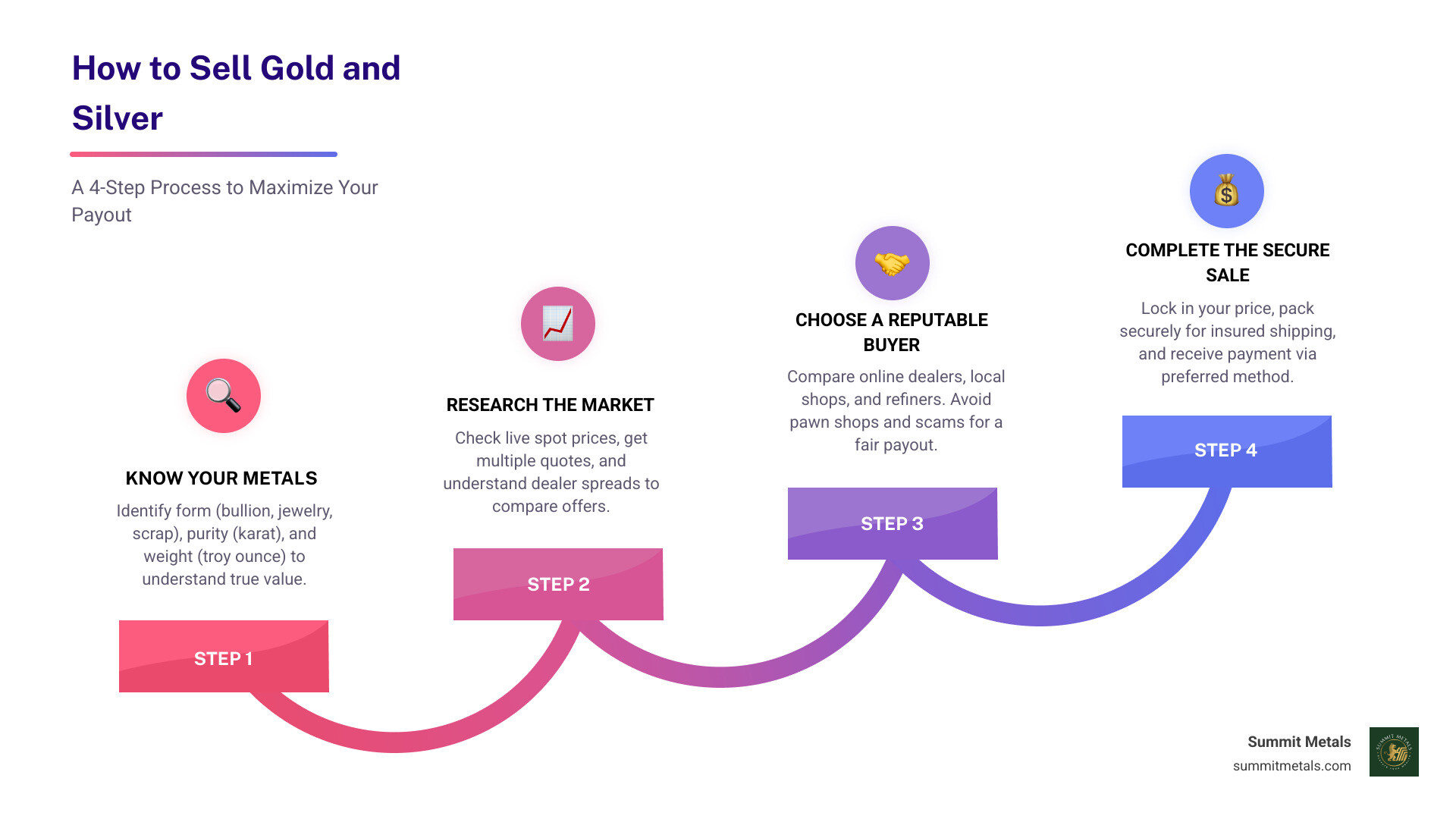
How to sell gold and silver is a process that involves four key steps:
- Determine what you have - Identify your items (bullion, jewelry, scrap), their purity, and weight.
- Research the market - Check the current spot price and get multiple quotes from reputable buyers.
- Choose your buyer - Compare online dealers, local coin shops, and refiners, while avoiding low-paying pawn shops.
- Complete the sale - Lock in your price, ship securely with insurance, and receive payment.
Whether you've inherited jewelry, stacked coins for years, or simply need cash, selling precious metals can feel intimidating. With gold and silver prices reaching remarkable highs, it's a great time to consider selling. However, you can only capitalize on these prices if you turn your metals into cash without getting ripped off. The difference between a fair deal and a lowball offer can be hundreds or even thousands of dollars.
The problem is that not all buyers are equal. Pawn shops may pay just 30% to 60% of melt value, while reputable online dealers typically offer around 95% of the spot price for bullion. Knowing where to sell, how to prepare your metals, and what red flags to watch for is crucial.
This guide will walk you through the entire selling process, from evaluating your metals to choosing a trustworthy buyer and completing a secure transaction, ensuring you get the maximum value for your assets.
Step 1: Know What You Have - Determining the Value of Your Metals
Before selling, you must understand what your gold and silver are truly worth. This involves identifying the type, purity, and unique attributes of your items to ensure you get a fair price.
How to sell gold and silver by understanding their form
The form of your precious metals significantly impacts their value and salability.
- Bullion Coins: Government-minted coins like American Gold Eagles, valued for their metal content. They are easy to sell due to recognized purity and weight.
- Bullion Bars: Ingots from private or public mints, valued for metal content. They often have lower premiums than coins. Each bar is stamped with its weight, fineness, and sometimes a serial number.
- Investment Grade Jewelry: Valued for high precious metal content rather than design. Its resale value is tied directly to the spot price of gold or silver.
- Scrap Metal: Damaged jewelry, dental gold, or other items valued only for their melt value. Payouts are lower as the buyer must cover refining costs. For more on this, see our guide on Turn Trash to Treasure: How to Sell Your Scrap Gold and Silver.
A rare coin might have numismatic (collector) value far above its melt value, while a broken chain will only fetch its melt price.
Understanding Purity, Weight, and Premiums
These factors determine the intrinsic value of your metals.
- Spot Price: The live market price for one ounce of a commodity, serving as the baseline for all transactions.
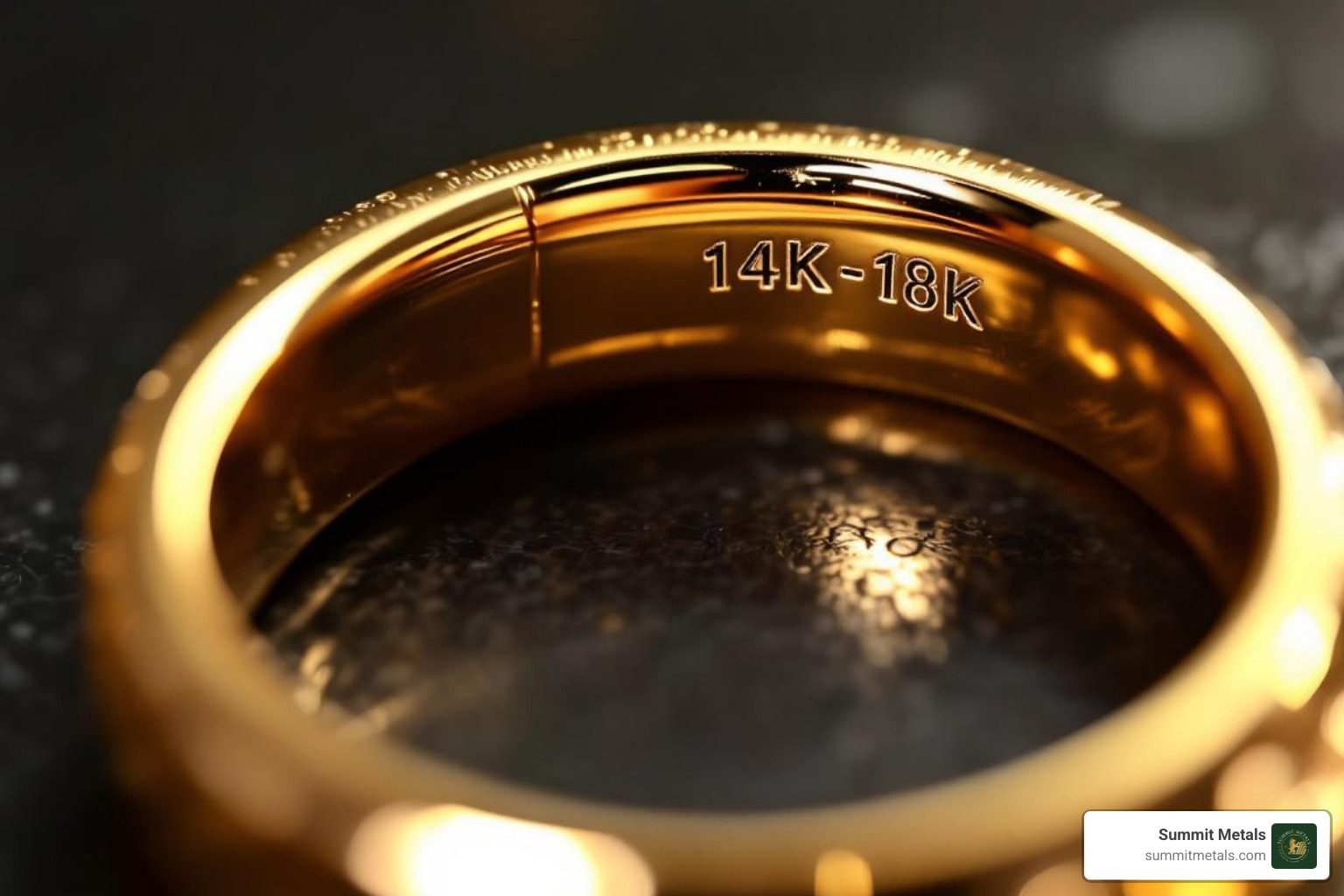
- Purity (Karat/Fineness): Gold purity is measured in karats (24k is 99.9% pure). Silver purity is expressed as fineness (e.g., .999 fine). Higher purity means higher value.
- Weight: Precious metals are weighed in troy ounces (31.1 grams), which are heavier than standard ounces.
- Numismatic Value: Some coins have collector value based on rarity, condition, and historical significance, which can exceed their metal value. Third-party grading services can certify this value.
Here’s a comparison of gold coins and bars:
| Feature | Gold Coins | Gold Bars |
|---|---|---|
| Liquidity | High (widely recognized and traded) | High (especially from reputable refiners) |
| Premiums | Slightly higher (due to minting costs and collectibility) | Lower (closer to melt value) |
| Face Value | Yes (legal tender, offers a floor value) | No (purely commodity value) |
| Fraud Protection | Higher (government-issued, recognizable designs) | Lower (private mints may require assay) |
| Storage | Compact, often in protective capsules | Efficient for large quantities |
Gold coins' government backing and recognizable designs offer extra security and liquidity, making them a popular choice for investors in Salt Lake City and beyond.
How to research the market value of your gold and silver
Empower yourself with information to negotiate confidently.
- Check Live Spot Prices: Start with the current spot price of gold and silver from a reputable financial source or bullion dealer.
- Review Summit Metals Buyback Prices: We publish our buyback prices for common items, giving you a clear idea of what a reputable dealer offers. Our transparent, real-time pricing ensures you know what to expect.
- Use Online Scrap Calculators: For jewelry or scrap, these calculators estimate melt value based on weight and purity, providing a baseline price.
- Research Sold Listings for Rare Coins: For collectibles, check "sold" listings on sites like eBay to see what similar items have actually sold for.
- Get an Appraisal: For potentially rare items, a professional appraisal from a numismatist can confirm its market value beyond its metal content.
Being informed is your best defense against lowball offers. For more tips, read our article Don't Just Sell, Sell Smart: Maximizing Your Gold Coin Value in Utah.
Step 2: Where to Sell Gold and Silver for the Best Price
Choosing the right buyer is as important as knowing your metals' value, as payouts can vary substantially. Let's explore your options to get the most for your gold and silver.
Selling to Summit Metals vs. Other Options: Pros and Cons
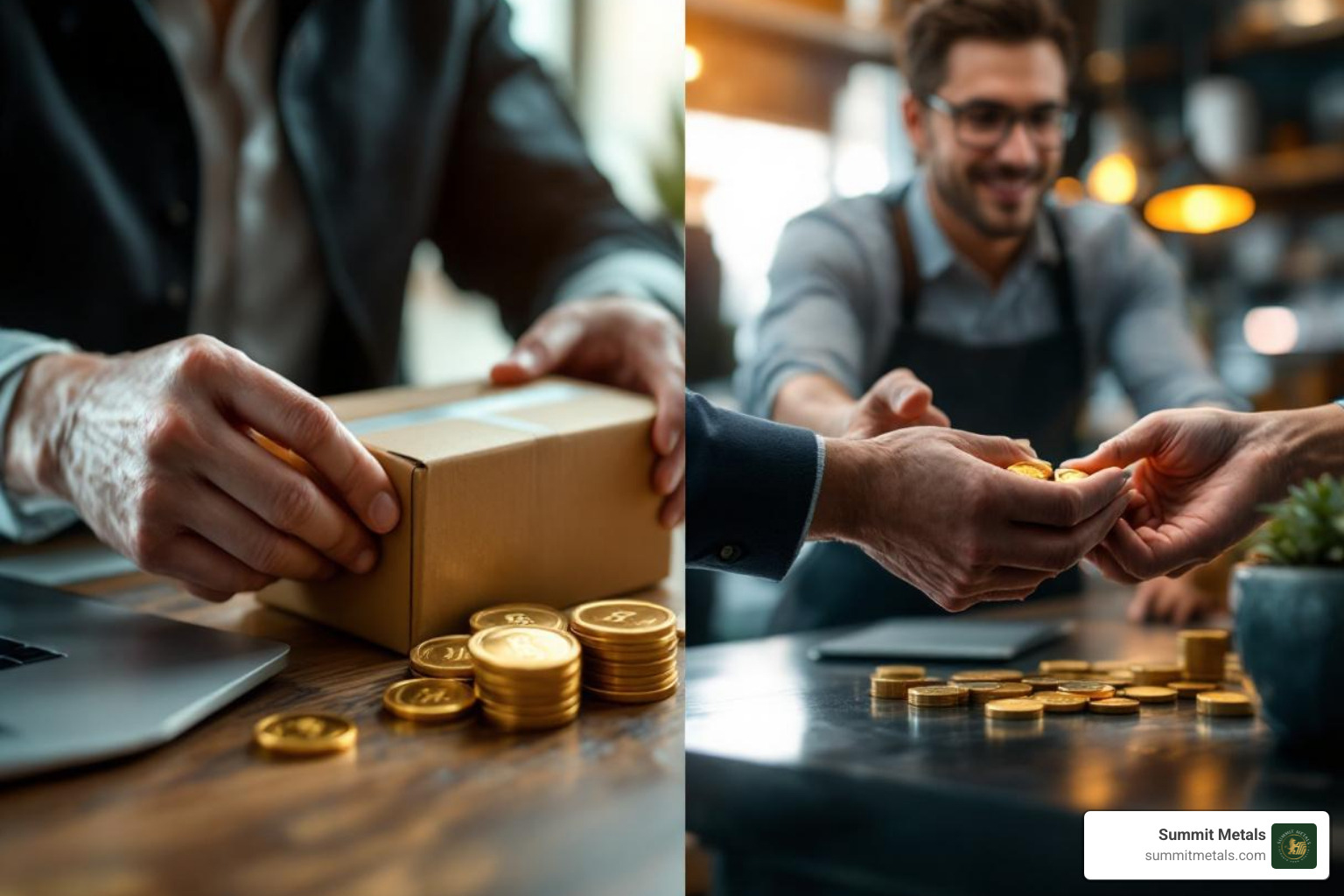
You have several avenues for selling, each with unique pros and cons.
- Summit Metals Online Buyback: As an online dealer, we offer competitive rates (often around 95% of spot price for bullion) due to lower overhead and bulk purchasing power. We provide a transparent, streamlined, and secure process for selling authenticated metals.
- Local Coin Shops: A good option for quick, in-person transactions and expert advice on numismatics. However, higher overhead can mean lower offers compared to online dealers.
- Pawn Shops: Generally the worst option for maximizing payout, often offering only 30-60% of melt value. The convenience of immediate cash comes at a steep price.
- Refiners: Best for large quantities of scrap metal. They offer prices based on pure metal content but may have processing fees and a less transparent process for individuals.
Here's a comparison to help you decide:
| Option | Payout | Convenience | Security | Expertise | Transparency |
|---|---|---|---|---|---|
| Summit Metals | High (competitive, ~95% of spot) | Very High (online, insured shipping) | High (established, secure, authenticated) | High (precious metals specialists) | High (real-time pricing, clear process) |
| Local Coin Shops | Medium (higher overhead) | Medium (in-person, immediate payment) | Medium (if reputable) | High (especially for numismatics) | Medium (pricing can vary) |
| Pawn Shops | Low (30-60% of melt value) | High (quick cash) | Low (less regulation) | Low (focus on quick resale) | Low (opaque pricing) |
| Refiners | Medium (for large scrap lots) | Low (shipping, processing time) | Medium (depends on refiner) | Medium (technical, industrial) | Medium (fees can be complex) |
Selling online to a trusted dealer like Summit Metals often provides the best balance of high payout, convenience, and security. For more on this, read our comparison of Online vs. Local: Where to Sell Silver.
Identifying Reputable Buyers and Avoiding Scams
Protect yourself by spotting red flags and identifying trustworthy buyers.
Red Flags to Watch Out For:
- High-Pressure Tactics: Pushing for an immediate sale.
- Vague Pricing or Hidden Fees: Lack of clarity on how offers are calculated.
- Aggressive "We Buy Gold" Guarantees: Often a sign of lowball offers.
- Unsolicited Offers: Cold calls or mobile offices are frequently scams.
- Lack of Credentials or Reviews: A trustworthy dealer has a solid public reputation.
How to Identify Reputable Buyers:
- Check Reviews: Look for positive feedback on Google, Yelp, or the BBB.
- Verify Affiliations: Memberships in groups like the Professional Numismatists Guild (PNG) indicate adherence to ethical codes.
- Demand Transparency: A good buyer will explain their pricing model clearly.
- Get Multiple Quotes: The most effective way to ensure a fair price.
The FTC provides valuable Investment Scam Information from the FTC Website. At Summit Metals, our commitment is to transparent, real-time pricing. For more guidance, see Where Can I Sell Gold Bullion? Finding Trustworthy Buyers.
Step 3: The Selling Process - How to Sell Gold and Silver Securely
You've done your research and found potential buyers. Now it's time to execute the sale securely and for the best price.
Getting Quotes and Locking in Your Price
This is where your research pays off.
- Get Multiple Quotes: Always get quotes from at least three reputable buyers (online and local) to compare offers and find the best deal.
- Understand Pricing: When you sell, you receive the "bid" price, which is lower than the "ask" price (what you pay to buy). The difference is the dealer's "spread" or margin (typically around 5% for bullion), which covers their business costs.
- Lock-in Your Price: Once you accept a quote, you "lock in" the price. This commits the dealer to that price, protecting you from market drops while your items are in transit. Be aware that this is a binding agreement.
For more insights, read Where Can I Sell My Gold Coins for Best Price.
Preparing, Packing, and Shipping Your Metals
Proper preparation is critical, especially when shipping valuable assets.
- Cleaning: Never clean collectible coins, as it can destroy their numismatic value. A gentle wipe is fine for bullion.
- Documentation: Gather any original receipts or certificates of authenticity.
- Secure Packaging: Use a new, unmarked box. Wrap items individually to prevent damage and fill empty space. Reputable online dealers provide detailed instructions.
- Insured Shipping with Tracking: Always insure your shipment for its full value and get a tracking number. Most online dealers provide a pre-paid, insured shipping label for your protection.
Understanding Payment and Finalizing the Transaction
Here’s what to expect after you ship your metals.
- Authentication: The dealer will verify the weight, purity, and authenticity of your items upon receipt, often under video surveillance for transparency.
- Payment Methods: You can typically choose between ACH/direct deposit (fast, often free), bank wire (fastest, may have a fee), or a physical check (slowest).
- Payment Timelines: Clarify the expected timeline upfront. It can range from one to several business days after validation.
- Discrepancy Resolution: A reputable dealer will contact you immediately to resolve any issues, such as an incorrect item.
- Cancellation Policy: Understand the dealer's Market Loss Policy before locking in a price. Canceling a locked-in sale may result in fees and liability for any market loss the dealer incurs.
Step 4: Understanding the Financial and Legal Obligations
Selling precious metals involves tax responsibilities. Understanding these obligations will help you stay compliant and avoid surprises during tax season.
Tax Implications of Selling Gold and Silver
The IRS views precious metals as "collectibles," and profits from their sale are subject to capital gains tax.
- Long-Term vs. Short-Term Gains: Profit from metals held for more than one year is a long-term capital gain, taxed at a maximum rate of 28% for collectibles. Profit from metals held for one year or less is a short-term capital gain, taxed as ordinary income at your marginal tax rate.
- Reporting Responsibility: You must report all capital gains and losses on your tax return, even if you don't receive a tax form from the buyer. Keep detailed records of your purchase and sale prices and dates.
For a deeper dive, our article A Practical Guide: Sell Gold & Silver Tax-Free offers strategies to help minimize your tax burden.
IRS Reporting Requirements: The 1099-B Form
In certain cases, dealers are required to report your sale to the IRS using Form 1099-B, "Proceeds From Broker and Barter Exchange Transactions."
- When is a 1099-B Issued? A dealer must file this form if your sale meets specific IRS thresholds for type and quantity.
-
IRS-Reportable Items: The reporting requirement is triggered for sales of specific items in certain quantities, including:
- Gold Bars: 1 Kilo (32.15 troy oz) or more.
- Silver Bars: 1000 troy oz or more.
- Platinum Bars: 25 troy oz or more.
- Palladium Bars: 100 troy oz or more.
- Specific Gold Coins: 25 or more 1 oz coins (e.g., Krugerrands, Maple Leafs).
- U.S. 90% Silver Coins: Any amount with a face value of $1,000 or more.
If your sale meets these criteria, the dealer will ask for a W-9 form. Always consult a qualified tax advisor for personalized guidance.
Frequently Asked Questions about Selling Precious Metals
Why is the price I get lower than the spot price?
The price you receive is the "bid" price, which is below the "spot" price. The difference, known as the dealer's "spread" or margin, covers their business costs (staff, insurance, storage) and profit. For common bullion, reputable dealers typically pay around 95% of the spot price. This is a standard industry practice, not a rip-off.
What's the single most important tip for a first-time seller?
Do your research. Before selling, know what you have (type, weight, purity), check the current spot price, and get multiple quotes from reputable dealers. An informed seller gets the best price. Treat selling your metals like selling any other valuable asset.
Do I have to sell everything at once?
No. You have complete control. You can sell a portion of your holdings to meet a specific financial need, take profits, or rebalance your portfolio. Sell what makes sense for your financial strategy.
Conclusion: Sell Smart and Build Your Wealth
Selling your gold and silver is a major financial decision. By following the steps in this guide—understanding your assets, researching buyers, ensuring a secure transaction, and knowing your tax obligations—you can get a fair price.
At Summit Metals, we empower investors with knowledge and transparency. Instead of just cashing out, consider growing your wealth for the long term. With our Autoinvest program, you can use proceeds or new funds to dollar-cost average into precious metals, buying regularly to build a stable position over time. This strategy leverages our transparent, real-time pricing and competitive rates.
Ready to take the next step, whether selling your current holdings or building your stack with Autoinvest? Contact us to sell your precious metals today.