Defining 24K Purity: What is 24k Gold Value Per Gram Based On?
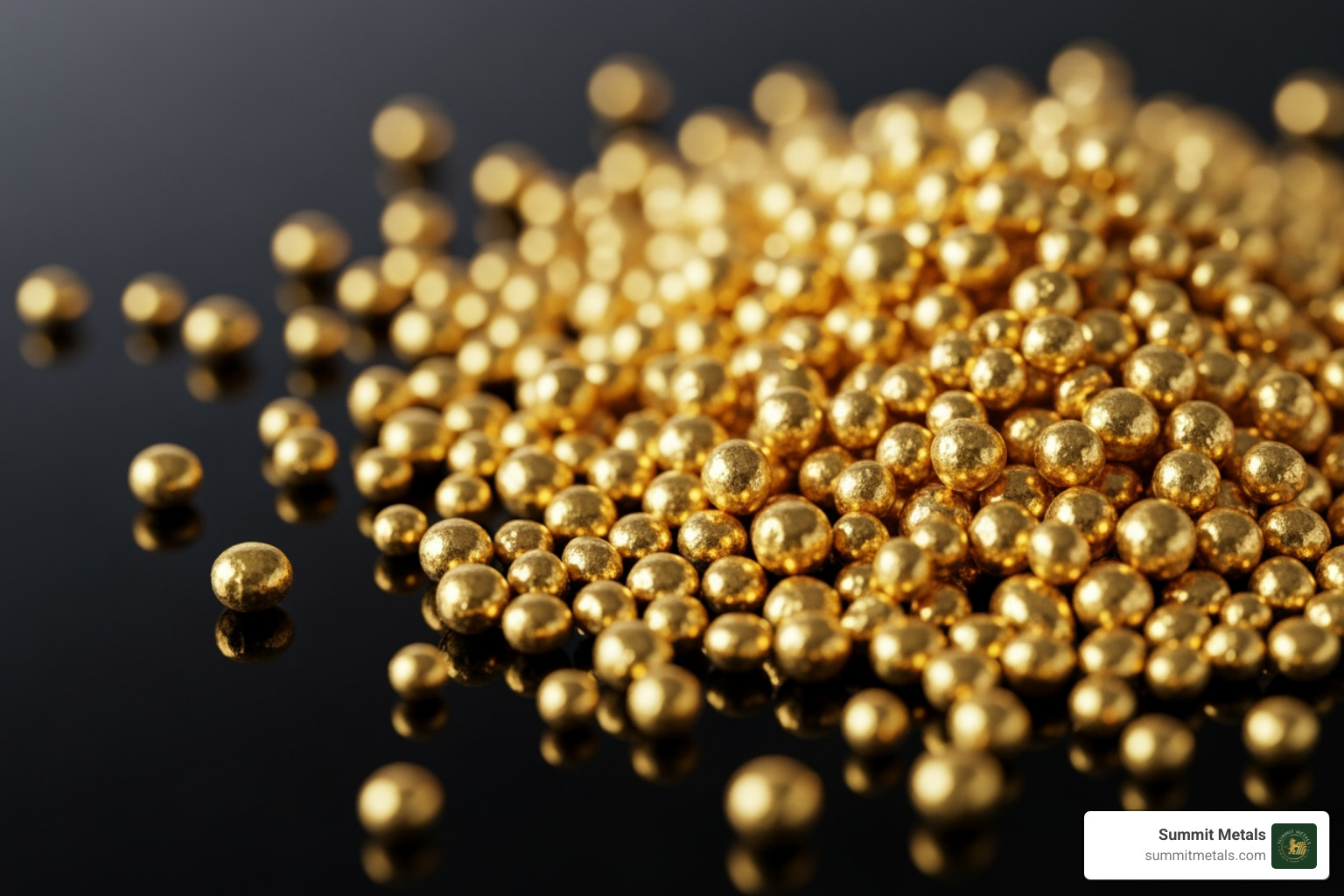
When we talk about the 24k gold value per gram, we are discussing the pinnacle of purity. In the karat system, 24k represents gold that is 99.9% pure. You might also see this stamped as "999," which is the millesimal fineness mark indicating 999 parts of gold per 1,000. Unlike 14k or 18k gold, which are alloyed with metals like copper, silver, or zinc to increase hardness, 24k gold contains virtually no impurities.
This high purity is exactly why the 24k gold value per gram serves as the baseline for the entire precious metals market. Because it isn't "watered down" by other metals, its value is tied directly to the global spot price. To understand how this purity impacts your specific items, it helps to dive into understanding karats and purity in gold.
Why 24k Gold Value Per Gram is the Global Standard
Why does the world obsess over 24k? It is the "investment grade" standard. While lower karats are preferred for jewelry due to their durability, 24k is the requirement for central bank reserves and most investment-grade bullion. It is also used in specialized industrial applications, such as high-end electronics and medical devices, because gold is an incredible conductor that never corrodes.
When you look up the gold price today in USA per gram, you are looking at the raw market value of this 99.9% pure metal. It is the most liquid form of gold, meaning it is the easiest to buy and sell anywhere in the world without complex refining deductions.
Physical Characteristics of Pure Gold
If you’ve ever held a 24k gold coin, you’ll notice a few things immediately. First, the color is a deep, rich, almost orange-yellow that lower karats can't replicate. Second, it is surprisingly heavy; gold is one of the densest elements on the periodic table.
However, purity comes with a trade-off: softness. 24k gold is incredibly malleable. You can actually deform a pure gold coin with your teeth (though we don't recommend trying this!). This is why most 24k gold is kept in the form of bars or protective capsules. For those who want to own pure gold in small, manageable increments, the 1 gram gold maple is a popular way to start without a massive capital outlay.
Market Mechanics: How Global Spot Prices are Set
The 24k gold value per gram doesn't just appear out of thin air. It is determined by a massive, 24-hour global market. The "spot price" is the current market price at which gold is bought or sold for immediate delivery.
The primary benchmark is set by the London Bullion Market Association (LBMA), which conducts electronic auctions twice daily to establish the "LBMA Gold Price." Meanwhile, in the U.S., the COMEX (part of the CME Group) plays a massive role in price discovery through the trading of gold futures contracts.
The price you see on your screen is the result of thousands of trades happening simultaneously. It includes a "bid" (what buyers are willing to pay) and an "ask" (what sellers are willing to accept). The difference between them is the "spread." Because gold is traded in U.S. Dollars globally, the strength or weakness of the USD has a direct inverse correlation with the 24k gold value per gram. When the dollar weakens, gold typically becomes more expensive for international buyers, driving the price up.
Factors Influencing Live Market Value
Several levers move the needle on gold prices every day:
- Central Bank Policies: When central banks like the Federal Reserve adjust interest rates, gold reacts. Lower rates often make gold more attractive because it doesn't pay a dividend or interest, reducing the "opportunity cost" of holding it.
- Inflation Hedge: Gold has a long-term average annual return of about 7.78% (based on data from the World Gold Council). Investors flock to it when they feel their paper currency is losing purchasing power.
- Geopolitical Tension: Gold is the ultimate "fear trade." During wars or political instability, investors move money into gold for safety.
- Supply and Demand: Mining output is relatively stagnant, so surges in demand from investors or jewelry markets (particularly in China and India) can spike the price.
The Role of the Gold-to-Silver Ratio
Experienced investors often look at the gold-to-silver ratio to judge market sentiment. This ratio tells you how many ounces of silver it takes to buy one ounce of gold. Historically, a very high ratio suggests that silver may be undervalued compared to gold, which might lead investors to pivot their strategy. It’s a classic tool for timing entries into the precious metals market.
The Math of Metal: Calculating 24k Gold Value Per Gram
In the United States, we use the troy ounce as the standard unit for precious metals. This is different from the "avoirdupois" ounce you use at the grocery store.
- 1 Troy Ounce = 31.1035 Grams
To find the 24k gold value per gram, you simply take the current spot price (which is quoted per troy ounce) and divide it by 31.1035.
Gold Coins vs. Gold Bars: Making the Right Choice for Your Portfolio
When you decide to invest, you'll usually choose between coins and bars. At Summit Metals, we often help clients in Salt Lake City and beyond weigh these options. While bars often have lower premiums for bulk purchases, coins offer unique protections.
| Feature | Gold Coins (e.g., Maple Leaf) | Gold Bars |
|---|---|---|
| Purity | 24k (99.99%) | 24k (99.9%+) |
| Legal Tender | Yes (Face Value) | No |
| Fraud Protection | High (Harder to counterfeit) | Moderate |
| Liquidity | Extremely High | High |
| Storage | Easy to stack/tube | Very efficient |
| Best For | Flexibility & Security | Pure bulk value |
Gold coins like the 1 oz Canadian Maple Leaf in grams are highly prized because they are sovereign minted. This means a government guarantees their weight and purity, providing an extra layer of legal protection against fraud that generic bars don't always have.
Converting Spot Price to 24k Gold Value Per Gram
If the spot price is $5,067.20, the math looks like this:
$5,067.20 / 31.1035 = $162.91 per gram.
For those looking at smaller denominations, such as Maple grams gold, this calculation is vital to ensure you understand the "premium" you are paying over the raw metal value. Small items always carry a slightly higher premium because the cost to mint a 1-gram coin is nearly the same as the cost to mint a 1-ounce coin.
Avoiding Offers Below Spot Price
Here is a golden rule: Never buy gold below the spot price.
Mining, refining, assaying, and shipping gold all cost money. To stay in business, every legitimate dealer must charge a premium above the spot price. If someone offers you "discounted" 24k gold, it is almost certainly a scam involving gold-plated tungsten or copper. As noted in the savvy investor's handbook, if a deal seems too good to be true in the gold world, it is.
Comparing Karats: Why Purity Affects Payout
Not all gold is created equal. If you are selling old jewelry to fund a new investment, you need to understand that the 24k gold value per gram only applies to the pure gold portion of your item.
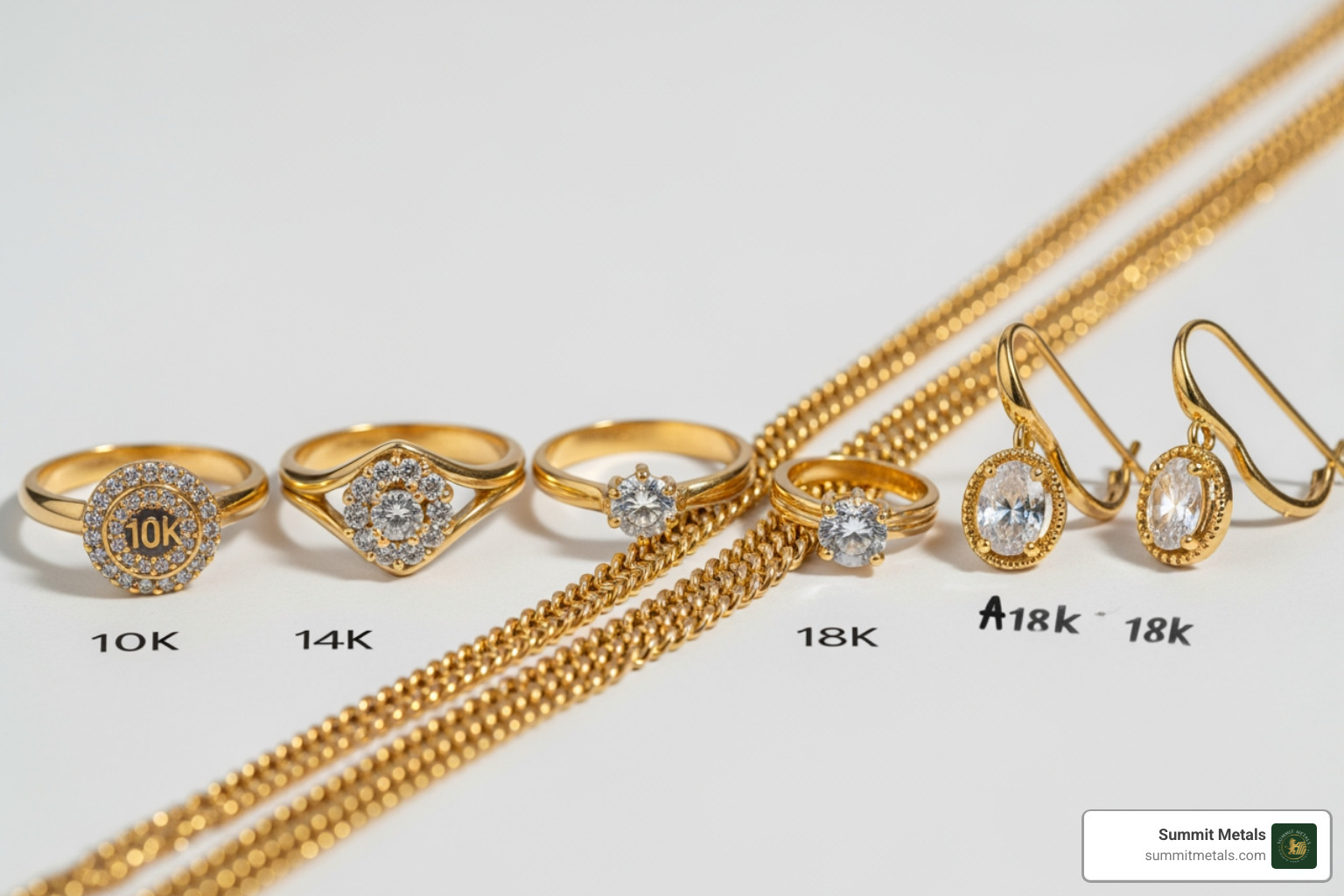
- 24k: 99.9% Gold (Value = 100% of spot)
- 22k: 91.6% Gold (Value = ~91.6% of spot)
- 18k: 75.0% Gold (Value = 75% of spot)
- 14k: 58.3% Gold (Value = ~58.3% of spot)
If you have 14k jewelry, you can find the 14k gold price per gram by multiplying the 24k gram price by 0.583.
Testing and Purity Verification
How do you know what you actually have? Professional dealers use several methods:
- XRF Scanners: X-ray Fluorescence scanners provide a non-destructive analysis of the metal's elemental composition.
- Acid Testing: A traditional method where a small scratch of the metal is tested against different concentrations of nitric acid.
- Specific Gravity: Measuring the displacement of water to verify density.
While hallmarks are useful, they aren't always accurate. This is especially true for items like 1-10 oz Canadian gold maple leaf coins, which are often verified with electronic testers to ensure they haven't been tampered with.
Why 22k Jewelry Often Tests Lower
A common surprise for sellers involves 22k jewelry, particularly from South Asia or the Middle East. While stamped "22k" (91.6%), these pieces often test at 19.5k or roughly 81.25% gold. Why? Often, the solder used to join the links or the clasps is a lower karat, which brings down the "true average purity" of the entire piece. When you are looking for a gram-tastic gold find, always ensure you are working with a buyer who tests the metal in front of you.
Strategic Investing: Autoinvest and Exit Strategies with Summit Metals
Investing in gold shouldn't be a one-time event based on a lucky guess. It should be a disciplined strategy. At Summit Metals, we prioritize transparency and long-term value for our clients.

Building Wealth with Summit Metals Autoinvest: Your 401k for Gold
Most people wouldn't dream of timing the stock market with their entire retirement savings; they use a 401k to contribute a little bit every month. You can do the exact same thing with gold.
Through the Summit Metals Autoinvest program, you can utilize dollar-cost averaging (DCA). By "shopping" with us every month, you buy more gold when prices are low and less when prices are high. This smooths out the volatility of the 24k gold value per gram over time. With gold's historical average annual return of 7.78%, consistent accumulation is a powerful way to build a "golden" nest egg without the stress of watching the tickers 24/7.
Liquidity and Your Exit Strategy with Summit Metals: Seamless Selling
Buying gold is only half the battle; you must also have an exit strategy. Gold is only "wealth" if you can access it when you need it.
Summit Metals offers secure private vault storage for your precious metals. This keeps your investment safe from theft or fire, but more importantly, it keeps your assets liquid. When you are ready to sell, you don't have to worry about secure shipping or finding a buyer—we are right there. Our seamless process allows you to convert your holdings back into cash quickly with immediate payment options. Whether you are in Wyoming or Salt Lake City, you can sell to us and know you are getting a fair market rate based on the live 24k gold value per gram.
Frequently Asked Questions about 24k Gold
How is the spot price of gold different from the price I pay?
The spot price is the "wholesale" price for massive 400-ounce bars traded in London or New York. When you buy a 1-gram or 1-ounce coin, you pay the spot price plus a "premium." This premium covers the cost of refining, minting, insurance, and the dealer's small margin.
Can I calculate my 24k gold value at home?
Absolutely. You just need a digital scale (that measures in grams) and a loupe to check the hallmark. Multiply your weight in grams by the current 24k gold value per gram we provided at the start of this article. Just remember that a buyer will likely offer a small percentage below that "melt value" to cover their own refining costs.
Why is 24k gold not used for most engagement rings?
Because it is too soft! A 24k gold ring would bend out of shape within weeks of daily wear, and the prongs holding a diamond would likely fail. This is why 14k and 18k are the industry standards for bridal jewelry—they offer the beauty of gold with the strength of alloyed metals.
Conclusion
Understanding the 24k gold value per gram is the first step toward becoming a confident investor. Gold isn't just a shiny metal; it's a timeless store of value that has outlasted every paper currency in history.
At Summit Metals, we are your trusted partner in this journey. We provide authenticated, high-purity gold with the transparent, real-time pricing you deserve. Whether you are looking to make a bulk purchase or want to start a consistent monthly habit through our Autoinvest program, we are here to help you build a portfolio that stands the test of time.
Start your gold subscription today and take control of your financial future.