Why Counterfeit Silver Bullion Is a Growing Threat to Your Investment
Counterfeit silver bullion is flooding the market, posing a significant threat to investors. The Anti-Counterfeiting Educational Foundation reports that more than 40 percent of dealers regularly encounter fake Silver Eagles, a problem that has surged since 2016. These fakes, often made of cheap, silver-plated metals like copper or zinc, can cost investors their entire principal.
How to Detect Counterfeit Silver Bullion at a Glance:
- Check the edges: Genuine coins have ridged (reeded) edges; fakes are often smooth.
- Verify the weight: A real 1 oz silver piece weighs 31.103 grams; deviations are a red flag.
- Test with a magnet: Silver is non-magnetic; if a strong magnet sticks, it's not real.
- Perform the ice test: Genuine silver's high thermal conductivity melts ice almost instantly.
- Listen to the 'ping': Real silver rings with a clear, high-pitched tone when tapped gently.
- Inspect the details: Look for blurry fonts, incorrect dates, and poor relief under magnification.
- Compare dimensions: Use calipers to check the diameter and thickness against official mint specs.
The rise of sophisticated fakes, especially on online marketplaces, means investors must be more vigilant than ever. This guide will show you how to detect fakes, understand mint security features, and, most importantly, avoid counterfeit silver by making smart purchasing decisions. Protecting your wealth starts with verifying authenticity, and understanding counterfeit silver bullion risks is the first step to safeguarding your investment.

The Anatomy of a Fake: What Counterfeiters Struggle to Replicate
Genuine silver possesses unique physical properties that make it difficult to perfectly replicate. Characteristics like its specific density, thermal conductivity, and non-magnetic nature are silver's natural security features. Counterfeiters use cheaper metals like copper, zinc, and nickel, which mimic silver's appearance but fail to match its intrinsic properties.
Because these base metals are less dense than pure silver, a fake must either be larger than a genuine piece to match its weight, or underweight to match its dimensions. This discrepancy is a major clue. For a deeper dive, see our Beginners Guide to Silver Properties.
Here's a quick comparison:
| Characteristic | Genuine Silver Bullion | Counterfeit Silver Bullion |
|---|---|---|
| Material | 99.9% (or higher) pure silver | Copper, zinc, nickel, brass, steel (often silver-plated) |
| Density | High (10.49 g/cm³) | Lower than silver (e.g., copper ~8.96 g/cm³, zinc ~7.13 g/cm³), leading to incorrect weight/dimensions |
| Magnetism | Non-magnetic (diamagnetic) | Often magnetic (if steel/iron core), or non-magnetic but with incorrect density (if copper/zinc core). May exhibit slight resistance with a strong magnet, but never a strong attraction. |
| Thermal Cond. | Very High (406 W/mK) | Lower than silver, ice melts slowly |
| Sound (Ping) | Clear, sustained "ring" (1-2 seconds) | Dull "thud" or short, muted sound |
| Finish/Details | Sharp, precise, consistent. Standardized markings. | Blurry, inconsistent, uneven, incorrect fonts, poor relief, wrong mint marks, rough edges. Early counterfeits often had sharper corners (smaller radius) compared to genuine bars. |
| Weight | Exact to stated weight (e.g., 31.103g for 1 troy oz) | Underweight or overweight compared to stated value, depending on material and attempt to match dimensions. Counterfeits can range from 28g to 35g for a 1 oz piece. |
| Dimensions | Exact to official specifications | Incorrect diameter, thickness, or overall size if attempting to match weight with a less dense metal. |
Markings, Relief, and Edges
The details are where counterfeit silver bullion often fails. Look for:
- Purity Stamps and Mint Marks: Genuine bullion has clear, precise markings for purity (e.g., "999"), weight, and the mint. Missing, blurry, or misplaced marks are red flags.
- Design Detail (Relief): Authentic pieces have sharp, intricate designs. Counterfeits often appear flat, blurry, or lack fine details.
- Reeded vs. Smooth Edges: Most government coins, like the American Silver Eagle, have a "reeded" (ridged) edge. A smooth or irregular edge on such a coin indicates a fake.
- Font and Serial Numbers: Counterfeiters often use incorrect fonts or have inconsistent letter spacing. On bars, missing or poorly applied serial numbers are also a strong indicator of a fake.
For official coin details, consult resources like the U.S. Mint's guide on Identifying Genuine U.S. Coins.
Weight and Dimensions
One of the most reliable tests is checking weight and dimensions against official specifications. A true 1 troy ounce American Silver Eagle should weigh 31.103 grams, have a diameter of 40.6 mm, and a thickness of 2.98 mm. Counterfeiters struggle to match all three simultaneously.
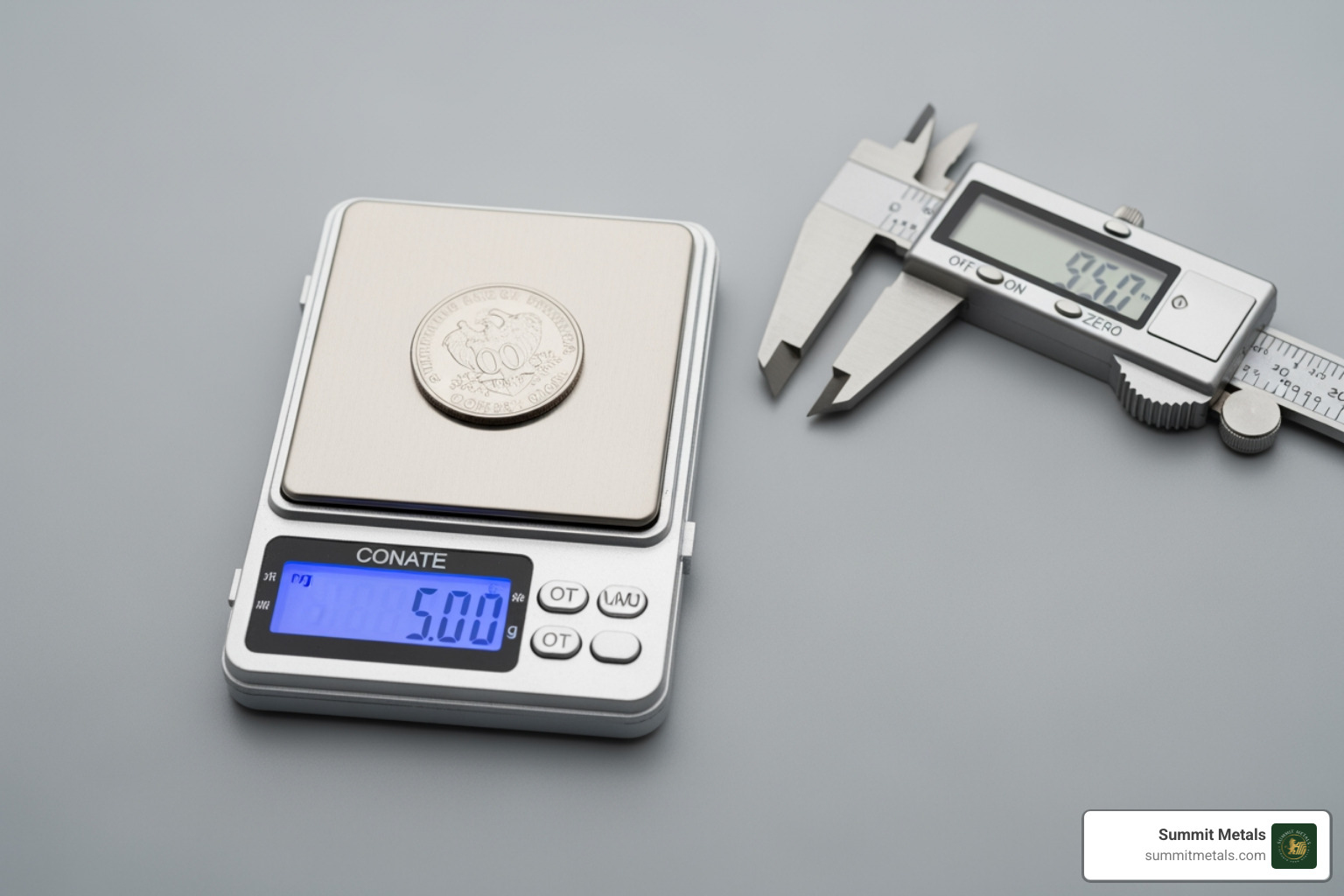
Use a digital jeweler's scale (accurate to 0.01g) and digital calipers. Precious metals are measured in troy ounces (31.103g), not standard ounces (28.35g). A genuine 1 troy ounce piece should weigh 31.1g or slightly more. Anything significantly less is highly suspicious.
Your First Line of Defense: At-Home Detection Methods
Fortunately, several simple, non-destructive tests can help you spot counterfeit silver bullion at home. While no single test is foolproof, combining them significantly increases your accuracy. For high-value pieces, professional verification is always recommended. Many of these principles also apply to gold; learn more in our guide on How to Tell If Gold Is Real.
The Magnet Test
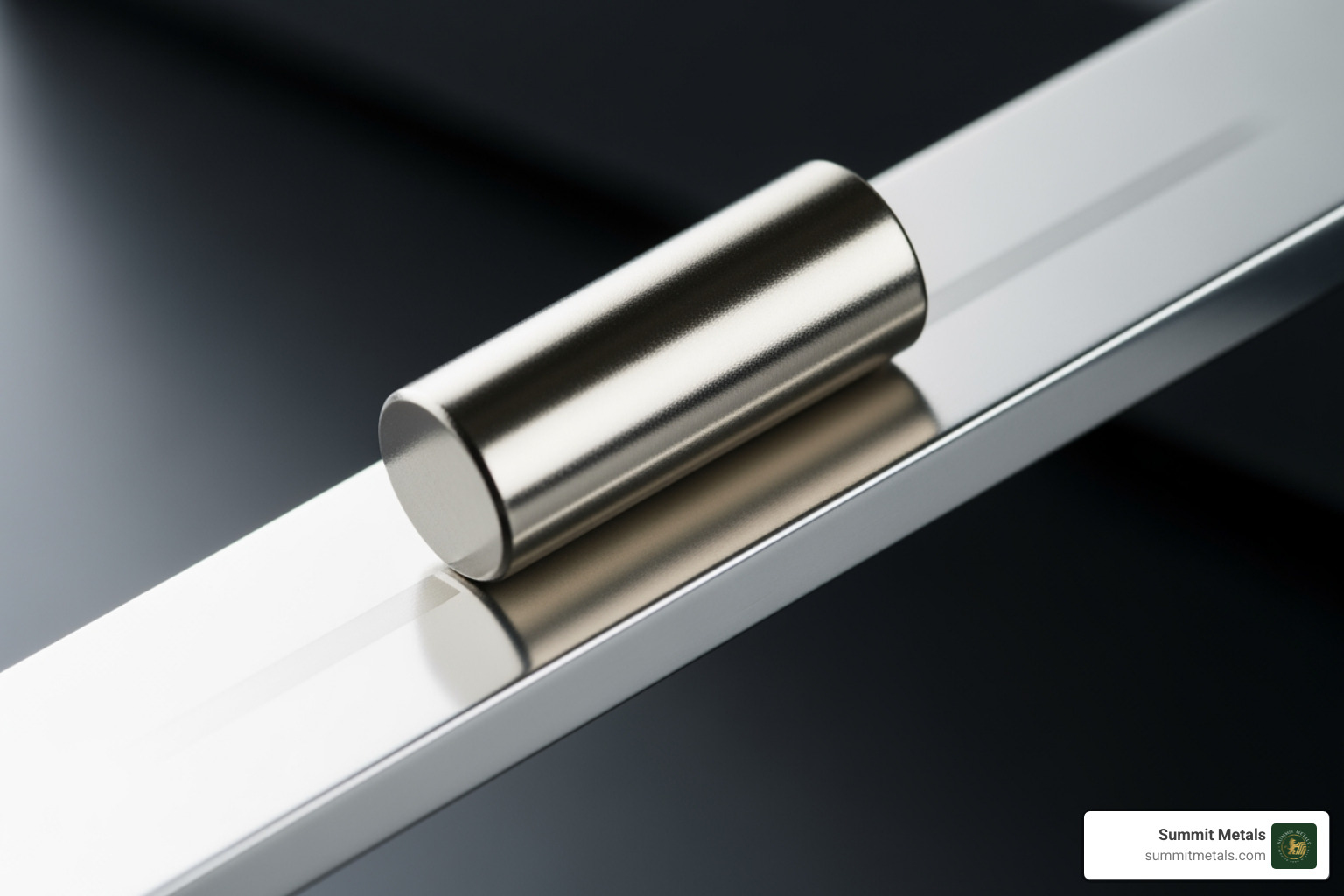
Silver is diamagnetic, meaning it won't stick to a magnet. If a strong neodymium magnet adheres to your item, it's likely a fake with a ferromagnetic material core like steel. On genuine silver, the magnet will slide down slowly when the piece is tilted, showing slight resistance without sticking.
Limitation: This test won't catch fakes made from non-magnetic metals like copper or zinc.
The Ice Test
Silver has the highest thermal conductivity of any metal. Place an ice cube on your silver piece and another on a non-metal surface. The ice on genuine silver will melt almost instantly, far faster than the other cube.
Limitation: Copper and aluminum also have high thermal conductivity (though less than silver), so this test is a strong indicator but not definitive alone.
The 'Ping' Test
Also known as the sound test, this method uses silver's unique acoustic properties. When gently tapped, a genuine silver coin produces a clear, high-pitched ring that lasts 1-2 seconds. Base metals will produce a dull "thud."
How to perform: Balance the coin on your fingertip and tap its edge with another coin. Smartphone apps can also analyze the sound's frequency for a more objective result.
Limitation: This test is less reliable for bars and requires practice to distinguish sounds.
Case Study: Spotting a Fake American Silver Eagle
The American Silver Eagle is the world's most popular silver bullion coin, making it a prime target for counterfeiters. Since the American Silver Eagle program was launched in 1986, any coin dated earlier is an instant fake.
Here's what to look for when inspecting a Silver Eagle:
- Incorrect Date: Any date before 1986 is a clear sign of a fake.
- Walking Liberty Details: Genuine coins have fine details in Liberty's hair and gown. Fakes often look blurry or flat.
- Shield and Stars: On the reverse, the eagle's shield should have clear vertical lines, and the stars should be sharp and evenly spaced. Fakes often have smudged lines or malformed stars.
- Font Errors: Look for incorrect fonts or inconsistent letter spacing on words like "LIBERTY" and the date.
- Edges: A genuine Silver Eagle has a reeded edge. A smooth or irregular edge is a major red flag.
- Weight & Dimensions: Verify the coin's weight (31.103g), diameter (40.6mm), and thickness (2.98mm). Discrepancies are common in fakes.
- Plating Issues: Under magnification, look for signs of worn plating or flashes of a different colored base metal, especially around the edges.
Advanced Verification and The Role of Mints
For high-value items or lingering doubts, professional verification offers a definitive answer. Mints also incorporate advanced security features to stay ahead of counterfeiters.
- Professional Verification: Reputable dealers use tools like X-Ray Fluorescence (XRF) scanners to analyze the exact metal composition without damage. Ultrasound testing can also detect internal impurities by measuring the speed of sound through the metal.
-
Mint Security Features: Leading mints are constantly innovating:
- Micro-Engraving and Radial Lines: Mints like the Royal Canadian Mint use intricate radial lines and micro-engraved marks that are nearly impossible to replicate.
- Proprietary Technology: Some mints use unique authentication systems like the Royal Canadian Mint's "Bullion DNA" or embed holographic security images.
- Tamper-Proof Packaging: Many silver bars are sold in sealed "assay" cards that guarantee weight and purity and show evidence of tampering if opened.
The Smart Investor's Guide to Avoiding Counterfeit Silver Bullion
Protecting your investment starts with choosing your sources wisely. The best way to avoid counterfeit silver bullion is to recognize red flags in the purchasing process itself. For a broader perspective, explore our guide on How to Avoid Common Precious Metals Scams.
Where You Buy Matters: Comparing Your Options
Online auction sites, social media marketplaces, and flea markets are hotbeds for fakes. The anonymity and lack of oversight create a high-risk environment. The most significant red flag is a price that seems "too good to be true." Silver has a global spot price, and legitimate dealers sell for a modest premium above that. Any offer significantly below spot price is almost certainly a scam. Learn more about Spot Price vs. Premium: How Precious Metals Pricing Works.
| Purchase Source | Risk of Counterfeits | Authenticity Guarantee | Recourse for Issues | Price Competitiveness |
|---|---|---|---|---|
| Reputable Dealer | Very Low | Yes | High | Excellent |
| Pawn Shop | Medium to High | No | Low | Varies |
| Online Auction Site | High | No | Low to None | Varies (High Risk) |
| Private Seller | Very High | No | None | Varies (High Risk) |
The Risks of Buying Fakes
Acquiring counterfeit silver has serious consequences:
- Total Financial Loss: You pay for precious metal but receive a worthless piece of base metal.
- Legal Consequences: Knowingly or unknowingly attempting to sell a counterfeit can lead to fraud charges. Authorities in Utah and across the country have prosecuted such cases, with severe penalties including lengthy prison sentences for operators of fraudulent schemes like those seen in Salt Lake City and with the Rust Rare Coin case.
- Supporting Criminals: Buying fakes inadvertently funds the criminal enterprises that produce them.
The Safest Strategy: Reputable Dealers and Consistent Investing
The most reliable way to avoid counterfeit silver is to purchase exclusively from a reputable, licensed dealer like Summit Metals. We provide our investors in Salt Lake City, Utah, and beyond with authenticated gold and silver, transparent real-time pricing, and competitive rates. Learn more about Identifying Reputable Bullion Dealers, Avoiding Counterfeits.
For a disciplined and secure investment approach, consider dollar-cost averaging. This strategy involves investing a fixed amount regularly to smooth out your purchase price over time. To make it effortless, you can automate your investments with our Autopay subscription. It allows you to set up recurring purchases of guaranteed authentic bullion, building your portfolio steadily and safely, much like contributing to a 401k. This is the smartest way to build your precious metals stack over the long term.
Conclusion
The threat of counterfeit silver bullion is real, but with knowledge and vigilance, it is entirely manageable. By learning to spot the telltale signs of a fake—from incorrect weight and dimensions to failed at-home tests—you can protect your assets.
However, the ultimate protection is prevention. Avoid high-risk sources like online auctions and private sellers, and be wary of any deal that seems too good to be true. The most reliable strategy is to buy exclusively from reputable, licensed dealers who guarantee the authenticity of their products.
At Summit Metals, we provide our clients with authenticated silver and gold bullion, transparent pricing, and the peace of mind that comes from a trusted source. A disciplined approach, such as dollar-cost averaging with our Autopay subscription, ensures you can build a genuine precious metals portfolio safely and consistently.