Understanding Junk Silver: Real Money from America's Past
Junk Silver refers to circulated pre-1965 US coins containing 90% silver that are valued for their metal content rather than their collectible or numismatic worth. Despite the misleading name, these coins contain real silver and remain one of the most affordable ways to invest in precious metals.
Quick Facts About Junk Silver:
- Composition: Typically 90% silver, 10% copper (some coins are 40% or 35% silver)
- Time Period: Most common junk silver was minted before 1965
- Denominations: Dimes, quarters, half dollars, and silver dollars
- Value: Based on silver content and current spot price, not face value
- Other Names: Constitutional Silver or 90% silver
- Investment Appeal: Lower premiums than bullion bars, government-backed silver content, easy divisibility
Why "Junk"?
The term junk silver can be confusing—after all, how could a bag of real silver be considered "junk"? The word simply means these coins lack numismatic (collectible) value. They're worn from circulation and too common to interest coin collectors, but their silver content makes them anything but worthless. Many investors prefer the term "Constitutional Silver" because these coins were minted when the US Constitution required real precious metal in our currency.
In 1965, rising silver prices forced the US Mint to stop producing coins with 90% silver content, switching instead to a copper-nickel blend. The pre-1965 coins that remain in circulation today represent the last connection to currency backed directly by physical precious metal—real money you can hold in your hand.
Constitutional Silver vs. Modern Coins
Unlike today's coins made from base metals, junk silver was designed to have intrinsic value matching its face value. A silver quarter from 1964 contains approximately 0.18 troy ounces of pure silver, worth far more than 25 cents at current silver prices. This built-in value floor—the coins will never be worth less than their legal tender face value—provides a unique safety net not found in most investments.
I'm Eric Roach, and during my decade on Wall Street guiding Fortune 500 companies through complex hedging strategies, I learned that institutional investors treat physical precious metals as essential portfolio insurance—the same reason everyday investors should consider Junk Silver as an accessible entry point. Today I help individuals apply those same defensive strategies, and junk silver remains one of my top recommendations for clients building their first position in tangible assets because it combines government-backed authenticity with the lowest premiums in the silver market.

A Guide to US Junk Silver Coins by Type and Composition
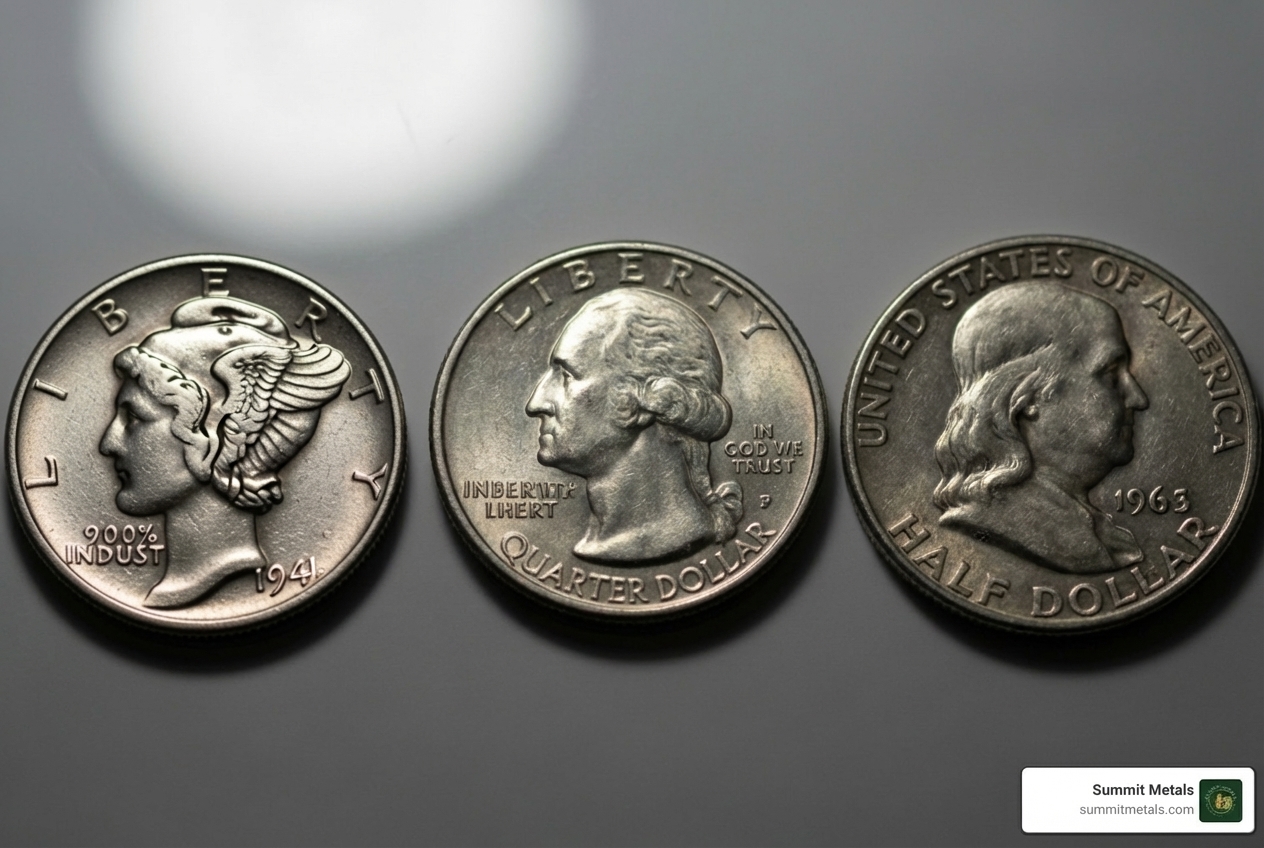
When we talk about junk silver, we're primarily referring to US coins whose silver content varies. The US Mint, throughout its history, produced coins with different silver compositions, mainly 90%, 40%, and 35%. Understanding these distinctions is crucial for valuing your collection or making informed purchases. These coins represent a tangible link to our nation's monetary history, echoing the principles outlined in the Constitution regarding currency.
Common 90% Silver Denominations
The most sought-after junk silver coins are those minted with 90% silver and 10% copper. These are often referred to as "Constitutional Silver" because they were produced before the Coinage Act of 1965, when US circulating coinage contained a significant precious metal backing.
- Roosevelt Dimes (1946-1964): These iconic dimes, featuring President Franklin D. Roosevelt, were minted with 90% silver until 1964. With over 6.6 billion minted during this period, they are highly common and a staple of junk silver bags.
- Mercury Dimes (1916-1945): Officially known as the Winged Liberty Head dime, the Mercury dime is another popular 90% silver coin. More than 2.6 billion were minted, making them readily available.
- Washington Quarters (1932-1964): The US Mint launched the Washington quarter program in 1932. These quarters, featuring George Washington, were 90% silver until 1964. Our research indicates approximately 3.8 billion were minted. Special series like the 50 State quarters came much later, but the pre-1965 Washington quarters are pure junk silver.
- Kennedy Half Dollars (1964): The very first year of the Kennedy half dollar (1964) was produced with 90% silver. Over 400 million of these were minted, making them a significant part of 90% junk silver collections.
- Franklin Half Dollars (1948-1963): These neat half dollars, featuring Benjamin Franklin, were also 90% silver. They are a favorite among many collectors and investors.
- Walking Liberty Half Dollars (1916-1947): Considered one of the most beautiful US coin designs, Walking Liberty half dollars are 90% silver and highly valued for their aesthetic appeal as well as their metal content.
While not typically included in "junk silver" lots due to their higher numismatic potential, it's worth noting that Morgan dollars (1878-1921) and Peace dollars (1921-1935) were also 90% silver. However, these are often worth more than their melt value alone, so we generally separate them from bulk junk silver purchases.
40% and 35% Silver Coins
Beyond the 90% standard, the US Mint also produced coins with lower silver content during specific periods.
- Kennedy Half Dollars (1965-1970): Following the 1964 90% silver issue, the Kennedy half dollar was downgraded to a 40% silver-clad composition from 1965 through 1970. These are often referred to as "40% silver" or "silver-clad" Kennedy half dollars.
- Eisenhower Dollars (1971-1974, 1976): Certain collectible versions of the Eisenhower dollar contained 40% silver. While circulation versions were copper-nickel, special collector issues (often marked with an "S" mint mark for San Francisco) included silver. You can learn more about Eisenhower Silver Dollars in our extensive guide.
- War Nickels (1942-1945): During World War II, nickel was a critical war material. To conserve it, the US Mint temporarily changed the composition of nickels from 1942 to 1945. These "War Nickels" contain 35% silver, 9% manganese, and 56% copper. They are easily identifiable by the large mint mark (P, D, or S) above the dome of Monticello on the reverse.
To help you keep track of these different compositions, we've compiled a quick comparison:
| Denomination | Years Minted | Silver Percentage | Approx. Silver Weight Per Coin (troy oz) |
|---|---|---|---|
| Dimes | Pre-1965 | 90% | 0.07238 |
| Quarters | Pre-1965 | 90% | 0.1808 |
| Half Dollars | Pre-1965 | 90% | 0.3616 |
| Half Dollars | 1965-1970 | 40% | 0.1475 |
| Eisenhower Dollar | 1971-1974, 1976 (collector) | 40% | 0.3161 |
| Nickels | 1942-1945 | 35% | 0.05626 |
How to Value and Calculate the Worth of Your Junk Silver
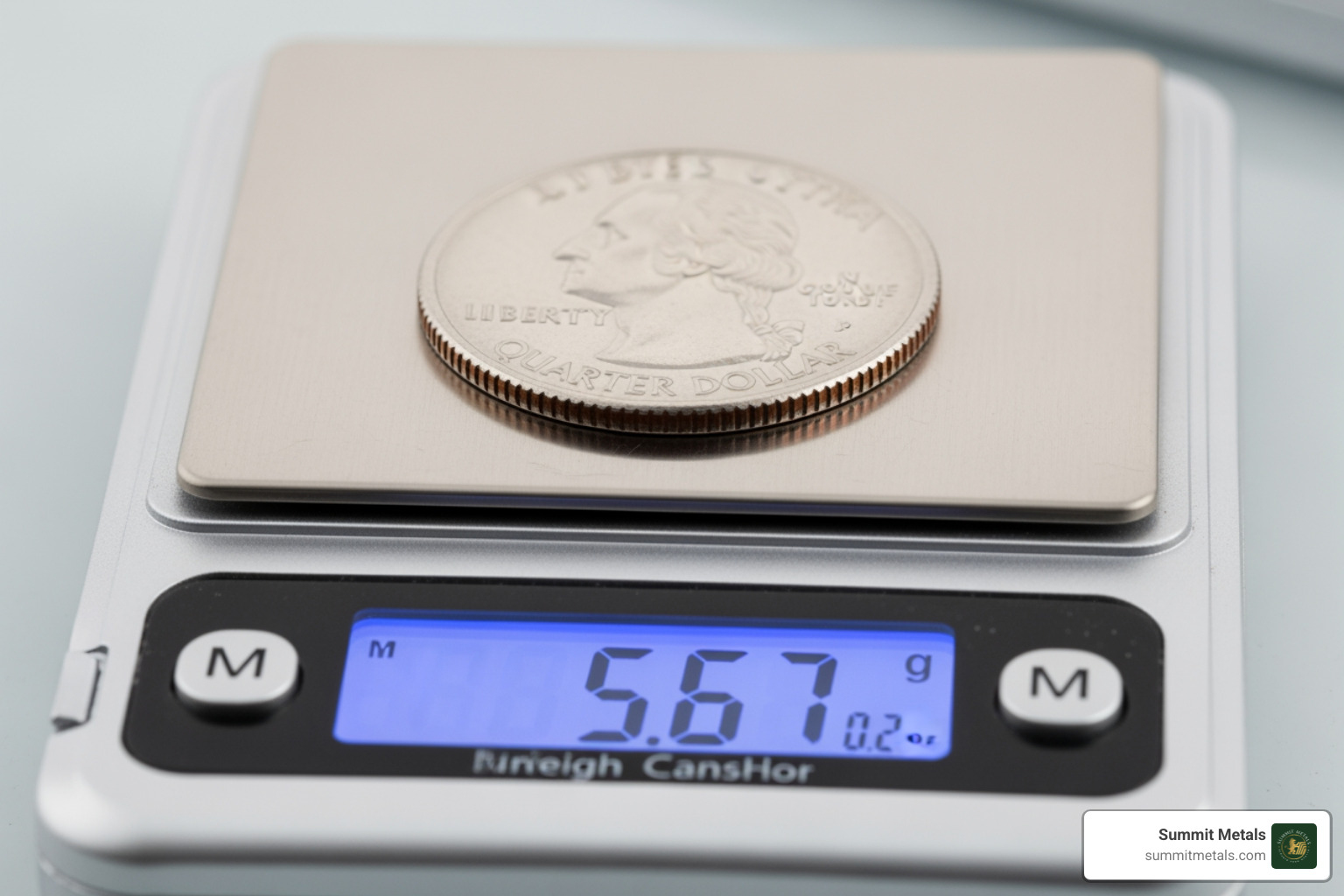
Understanding the true value of your junk silver is key to making smart investment decisions. Unlike modern coinage, whose value is solely its face value, junk silver holds an intrinsic worth tied to the fluctuating price of silver. This means its value can be significantly higher than its denomination. You can find a more in-depth discussion on this in our [Comprehensive Guide to Junk Silver Value](https://summitmetals.com/blogs/bald-guy-money-articles/a-comprehensive-guide-to-junk-silver-value).
The primary factor differentiating junk silver from its face value is the current silver spot price. The spot price is the current market price at which silver can be bought or sold for immediate delivery. As the silver market price rises, so does the melt value of your junk silver.
We also need to consider the effect of wear and tear. Since junk silver coins have circulated for decades, they naturally lose a small amount of metal through abrasion. This means the actual silver content in a well-worn coin might be slightly less than its theoretical uncirculated weight. For instance, while two 90% silver half dollars technically make $1 face value (FV) and contain 0.723 troy ounces of 99.9% pure silver when new, circulated halves average closer to 0.715 troy ounces of pure silver per $1 FV. This slight difference is usually accounted for in dealer pricing.
Simple Formulas for Calculating Melt Value
Calculating the melt value of your junk silver coins is straightforward once you have the current silver spot price. Here are the common formulas we use:
-
For 90% Silver Coins ($1 Face Value):
- A $1 face value of 90% silver coins (e.g., two half-dollars, four quarters, or ten dimes) contains approximately 0.715 troy ounces of pure silver.
- Melt Value = Current Silver Spot Price x 0.715
-
For Individual 90% Silver Coins:
- 90% Silver Half Dollars: Silver price x 0.3616 = Melt value of a single 90% silver half dollar.
- 90% Silver Quarters: Silver price x 0.1808 = Melt value of a single 90% silver quarter.
- 90% Silver Dimes: Silver price x 0.07238 = Melt value of a single 90% silver dime.
-
For 40% Silver Coins:
- 40% Silver Half Dollars: Silver spot price x 0.15 = Melt value of a single 40% silver half dollar.
- 40% Silver Eisenhower Dollars: Silver spot price x 0.3161 = Melt value of a single 40% silver Eisenhower dollar.
-
For 35% Silver Nickels (War Nickels):
- 35% Silver Nickels: Silver spot price x 0.057 = Melt value of a single 35% silver nickel.
Understanding the Factors That Influence Junk Silver Value
Several factors beyond just the silver spot price determine the overall value of junk silver coins:
- Silver Content: As we've seen, this is the primary driver. The higher the percentage of silver, the higher the intrinsic value for a given weight.
- Current Silver Market Price: This is a dynamic factor. The live silver spot price is constantly changing, directly impacting the melt value of your coins. We always recommend staying updated on current silver prices.
- Coin Condition: While junk silver is generally not valued for numismatic reasons, extreme wear can slightly reduce the actual silver weight. Conversely, coins in better condition, or even cull coins (damaged coins sold for melt value), will be priced accordingly. We advise against cleaning your junk silver coins, as it can damage their natural patina and reduce their appeal to buyers, even if they're not numismatic.
- Premiums Over Spot: When you buy junk silver, you'll typically pay a small premium over the current melt value. This premium covers the dealer's costs for sourcing, handling, and packaging. Premiums can fluctuate based on supply and demand in the market.
- Numismatic vs. Bullion Value: This is a critical distinction. Most junk silver has negligible numismatic value. However, very occasionally, a rare date, mint mark, or error coin might slip into a junk silver lot. Coins like Morgan dollars or Peace silver dollars, despite being 90% silver, are often worth more than their melt value due to collector demand. It's always a good practice to quickly check for any obvious rarities before selling a large batch.
Investing in Junk Silver: A Smart Strategy for Beginners
Investing in junk silver offers a unique blend of affordability, liquidity, and historical significance that appeals to a wide range of investors, from seasoned veterans to those just starting their precious metals journey. We believe it's one of the most accessible ways to acquire physical silver.
Here's why junk silver stands out:
- Divisibility: Unlike a large silver bar, junk silver coins come in small, recognizable denominations. A single dime, quarter, or half-dollar contains a fractional amount of silver, making them highly divisible. This feature can be incredibly valuable for bartering or making smaller transactions in a crisis scenario.
- Recognizability: These are coins that were once everyday currency. Their designs are familiar, and their silver content is broadly understood, especially in the United States. This universal recognition makes them easy to buy, sell, or trade.
- Lower Premiums: Generally, junk silver tends to have lower premiums over the spot price compared to newly minted silver bullion coins or bars. This means you often get more pure silver for your dollar, making it a cost-effective way to stack silver.
- Government Guarantee of Content: The silver content of these coins was guaranteed by the US government at the time of minting. This historical backing provides an added layer of confidence in their authenticity and value.
- Legal Tender Status as a Value Floor: Because junk silver coins still hold their original face value as legal tender, they possess a built-in value floor. They will never be worth less than their denomination, providing a unique downside protection not typically found in other forms of bullion.
Why Do Investors Choose to Buy Junk Silver?
Investors choose junk silver for a variety of compelling reasons, making it a perennial favorite in the precious metals market:
-
Affordable Entry Point: For those new to precious metals, junk silver offers a relatively low-cost way to get started. You can buy small amounts, such as a roll of dimes, without a large initial investment, making it an excellent option for building a position over time. Our guide,
[Junk Silver Coins: Your Go-To Guide for Smart Purchases](https://summitmetals.com/blogs/bald-guy-money-articles/junk-silver-coins-your-go-to-guide-for-smart-purchases), offers more insights on this. - Hedging Against Inflation: Silver has historically served as a hedge against inflation and economic uncertainty. As fiat currencies lose purchasing power, the intrinsic value of silver tends to hold or increase, protecting your wealth.
- Bartering Potential: In extreme economic scenarios, junk silver coins could serve as a highly liquid and recognizable medium of exchange for goods and services. Their small denominations make them practical for everyday transactions.
- Portfolio Diversification: Adding physical silver to your investment portfolio can help diversify your assets, reducing overall risk. Precious metals often perform inversely to traditional financial markets, offering stability during volatile times.
To illustrate the unique benefits of junk silver compared to other silver products, consider this comparison:
| Feature | Junk Silver (e.g., 90% US coins) | Silver Bullion Coins (e.g., Silver Eagles) | Silver Bullion Bars (e.g., 10 oz bar) |
|---|---|---|---|
| Silver Purity | 90% (or 35%/40%) | 99.9% | 99.9% |
| Divisibility | High (small denominations) | Moderate (typically 1 oz units) | Low (larger units) |
| Recognizability | High (familiar US coinage) | High (well-known designs) | Moderate (less familiar to public) |
| Legal Tender Status | Yes (with face value) | Yes (with face value) | No |
| Premium over Spot | Often lower | Moderate | Typically lowest |
| IRA Eligibility | No | Yes (most types) | Yes (most types) |
| Bartering Potential | High | Moderate | Low |
Best Practices for Buying, Selling, and Storing
Successfully navigating the junk silver market requires a few best practices:
- Where to Buy: We recommend purchasing junk silver from reputable precious metals dealers like Summit Metals. We prioritize transparency and authenticate all our products. You can also find them at local coin shops in areas like Salt Lake City, Utah, or through established online marketplaces and auctions. Always look for dealers with a strong track record and positive customer reviews.
- What to Look For: When buying, scrutinize the seller's reputation. Be wary of deals that seem too good to be true, as counterfeits or shorted quantities can be an issue. Reputable dealers will clearly state the silver content and offer competitive pricing.
-
Selling Strategies: When it's time to sell, get multiple offers. Local coin shops and pawn shops may offer convenience, but online precious metals dealers often provide better bid prices due to higher volume. Understand the current market price of silver and factor in any fees or commissions. Our
[Sell to Us](https://summitmetals.com/pages/sell-to-us)page provides a streamlined process for selling your metals. - Proper Storage: To preserve your junk silver, store it in a cool, dry place. While not numismatic, proper storage prevents further tarnish or damage. Airtight tubes or bags are ideal. Avoid direct contact with skin and never clean your coins, as this can reduce their resale value.
- Risks and Downsides: Like any investment, junk silver carries risks. Its value is tied to the volatile silver market. Premiums can fluctuate, and while generally low, they still exist. Authenticity can be a concern if buying from unverified sources. Also, it's important to note that 90% junk silver coins are not typically eligible for Precious Metals IRAs due to their 90% purity, as IRAs usually require 99.9% fine silver.
Automate Your Investment with Dollar-Cost Averaging
For many investors, building a position in precious metals is a long-term strategy. That's why we strongly advocate for dollar-cost averaging, a strategy that our Autoinvest program embodies. By investing a fixed amount regularly, regardless of market fluctuations, you can mitigate the impact of price volatility over time. This approach allows you to buy more silver when prices are low and less when prices are high, averaging out your purchase price over the long run.
Think of it like investing in your 401k or other retirement accounts – consistent contributions build substantial wealth over decades. Our Autoinvest program allows you to set up a monthly purchase plan for junk silver or other precious metals, automatically adding to your stack without needing to time the market. This disciplined approach removes emotion from investing and helps you steadily accumulate physical silver. Learn more about our [Autopay subscription service](https://summitmetals.com/pages/autopays) and how it can simplify your precious metals investing journey.
Frequently Asked Questions about Junk Silver
We often hear common questions about junk silver. Here are some of the most frequent ones we encounter:
Is it illegal to melt US junk silver coins?
No, as of the time of this publication, it is generally not illegal to melt down US junk silver coins. These coins are no longer produced for circulation, and melting them does not affect their availability in commerce. The US government placed restrictions on melting silver coins in the past, but these have largely been lifted for pre-1965 coinage. However, it's usually not worth the effort for individuals to melt them down themselves, as the value is already well-established by their silver content, and selling them as coinage is often simpler.
Should I clean my junk silver coins before selling them?
Absolutely not! We strongly advise against cleaning your junk silver coins. While it might seem counterintuitive for "junk" coins, cleaning can actually damage the coin's surface, remove its natural patina, and ultimately reduce its value. Most buyers, even those interested only in melt value, prefer coins in their original, uncleaned condition. Cleaning can leave scratches or alter the coin's appearance in a way that makes it less desirable.
Which junk silver coins are the best to buy for investment?
For maximizing your silver content per dollar, we generally recommend focusing on 90% silver dimes, quarters, and half-dollars. These coins offer a good balance of low premiums, high silver content, and widespread recognition. Many investors find Franklin half dollars and Mercury dimes particularly desirable. The 1964 Kennedy half dollar is also a strong choice due to its 90% silver content and relatively good condition. While 40% silver Kennedy half dollars and 35% War Nickels also contain silver, they often carry slightly higher premiums due to some crossover numismatic interest, making them less efficient for pure bullion accumulation. The "best" choice often comes down to your personal preference and the current market premiums.
Conclusion: Start Your Silver Stacking Journey
Junk silver offers a compelling entry point into precious metals, blending rich US history with tangible value. As we've explored, these circulated coins—far from being "junk"—represent a robust and accessible way to invest in physical silver. Their divisibility, recognizability, and inherent legal tender status provide unique advantages for both new and experienced investors.
At Summit Metals, we are committed to making your precious metals journey transparent and secure. We provide authenticated gold and silver, ensuring you receive genuine value with every purchase. Our competitive rates, achieved through bulk purchasing, mean you get more for your investment, whether you're building your first stack of junk silver or expanding an existing portfolio.
Don't let the term "junk" mislead you. Accept the history, accept the value, and start your silver stacking journey with confidence. [Explore our collection of Constitutional and Junk Silver](https://summitmetals.com/blogs/constitutional-silver-junk-silver) today, and consider how our [Autopay subscription service](https://summitmetals.com/pages/autopays) can help you consistently build your wealth. For any questions or to discuss selling your precious metals, please visit our [Sell to Us](https://summitmetals.com/pages/sell-to-us) page or explore our main site at [Summit Metals](https://summitmetals.com/).