Introduction: Open uping the Hidden Value in Your Coins
If you want to sell coins for melt value, you're looking at the intrinsic worth of the silver itself—not any collector premium. Here's what you need to know right away:
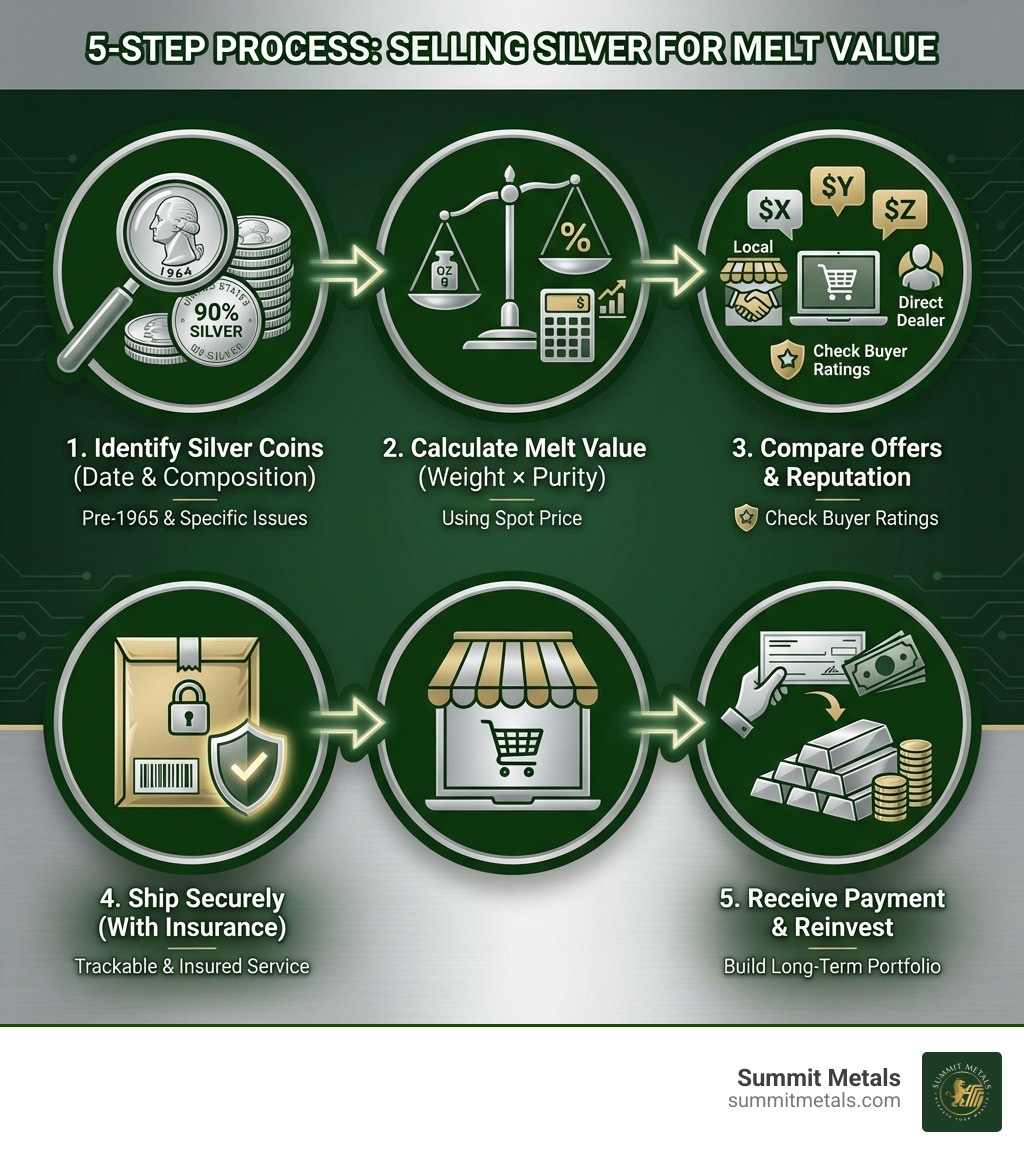
Quick Answer: How to Sell Coins for Melt Value
- Identify silver coins: Pre-1965 U.S. dimes, quarters, and half dollars contain 90% silver.
- Calculate melt value: (Weight in Troy Ounces × Purity %) × Current Silver Spot Price.
- Choose a reputable buyer: Compare local shops, online dealers, and direct buyers.
- Appraise for rarity: Ensure you're not accidentally selling rare coins worth more as collectibles.
- Complete the sale: Ship securely with insurance or visit in person, then receive payment.
That old coin jar in your closet might be worth far more than you think. Many people hold onto inherited silver coins without realizing they're sitting on hundreds—or even thousands—of dollars in pure silver value.
Unlike rare coins prized for condition or rarity, common silver coins can be sold for their melt value—the worth of the actual silver they contain. It's a straightforward way to turn old currency into real money, especially when silver prices climb.
This guide walks you through identifying silver coins, calculating their worth, choosing where to sell, and avoiding common pitfalls. You'll learn how to maximize your return and turn forgotten coins into cash—or reinvest that value into a strategic precious metals portfolio.
I'm Eric Roach. After a decade on Wall Street advising on multi-billion-dollar transactions, I now help everyday investors protect their wealth with tangible assets. I've guided hundreds of clients who sell coins for melt value to reinvest those proceeds into physical gold and silver, hedging against market volatility and inflation.
Sell coins for melt value terms made easy:
What is Silver Coin Melt Value?
Defining Melt Value vs. Numismatic Value
When selling silver coins, it's crucial to understand the difference between melt value and numismatic value.
Melt value is the intrinsic worth of a coin's precious metal content, based on its weight and the current market price of the metal. It's what the silver would be worth if melted down, ignoring its condition, rarity, or history. This is the primary focus when we help clients sell coins for melt value.
Numismatic value is what collectors pay based on factors beyond metal content, such as:
- Rarity: How many were minted or still exist.
- Condition (Grade): How well-preserved the coin is.
- Mint Marks: The mint of origin can add significant value.
- Key Dates: Certain years are scarcer and more valuable.
- Collector Demand: The popularity of a specific coin series.
For example, a common 1964 U.S. quarter has a melt value based on its 90% silver content. However, a rare coin, like an 1873-CC Liberty Seated Quarter, could be worth thousands to a collector, far exceeding its melt value. Selling such a coin for melt would be a major financial mistake.
We always advise clients to check for numismatic value before deciding to sell coins for melt value. If a coin is common or in poor condition, its melt value is likely its highest price.
Key Factors That Determine a Coin's Melt Value
Three dynamic factors determine a silver coin's melt value.
The Spot Price of Silver: This is the current market price for one troy ounce of silver. It fluctuates constantly due to supply and demand, economic news, and investor sentiment. A higher spot price means a higher melt value. We monitor live prices to ensure clients get accurate valuations.
Coin Weight: Precious metals are weighed in troy ounces (approx. 31.1 grams), which is slightly heavier than a standard ounce (approx. 28.3 grams). This distinction is vital for accurate calculations.
-
Silver Purity (Fineness): Most circulating silver coins are alloys, mixed with other metals for durability. Purity is expressed as a percentage (e.g., 90%) or a decimal (.900). Common purities include:
- 90% Silver: Pre-1965 U.S. dimes, quarters, and half dollars. Often called "junk silver."
- 40% Silver: U.S. Kennedy half dollars (1965-1970) and some Eisenhower dollars.
- 80% Silver: Canadian silver coins (1920-1967).
- 35% Silver: U.S. "War Nickels" (1942-1945).
- Sterling Silver (92.5%): Common in commemorative coins and jewelry.
- Fine Silver (99.9%+): Modern bullion coins like the American Silver Eagle.
These three factors—spot price, weight, and purity—are the pillars of your silver coin's melt value.
Preparing Your Silver Coins for Sale
How to Identify Real Silver Coins at Home
Before you can sell coins for melt value, you must confirm they are actually silver. Here are some reliable at-home methods:
-
The Date Check: This is the quickest way to identify potential U.S. silver coins.
- U.S. Coins: Dimes, quarters, and half dollars minted before 1965 are 90% silver. Kennedy half dollars from 1965-1970 are 40% silver. "War Nickels" (1942-1945) are 35% silver.
- Canadian Coins: Coins from 1920-1967 are typically 80% silver. Earlier coins (1858-1919) are 92.5% silver.
- Other Countries: Research specific dates for international coins, as many countries produced silver coinage.
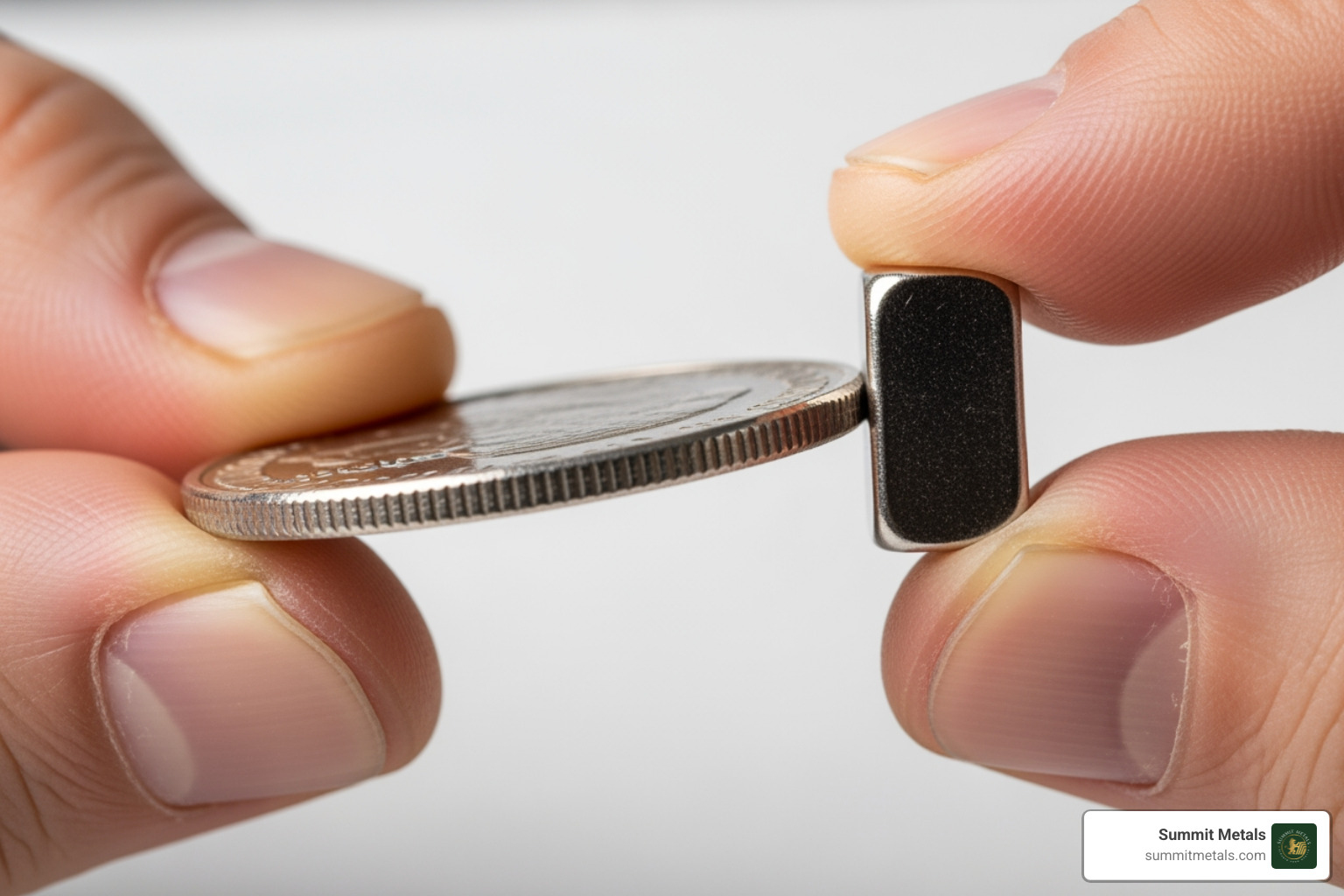
The Magnet Test: Silver is non-magnetic. If a strong magnet sticks to your coin, it is not silver. This is a fast way to rule out fakes or clad coins.
The "Ping" or Sound Test: Silver coins produce a distinctive, high-pitched ringing sound when gently tapped. A dull thud suggests a non-silver coin, while a clear, sustained ring indicates it is likely silver.
Weight and Dimensions: Genuine silver coins have specific weights and diameters. If a coin feels unusually light or heavy, it might be a counterfeit.
Here's a quick reference for common silver coins and their purities:
| Coin Type | Silver Purity |
|---|---|
| U.S. Dimes, Quarters, Half Dollars (Pre-1965) | 90% |
| U.S. Kennedy Half Dollars (1965-1970) | 40% |
| U.S. "War Nickels" (1942-1945) | 35% |
| Canadian Dimes, Quarters, Half Dollars, Dollars (1920-1967) | 80% |
| Canadian Coins (1858-1919) | 92.5% |
| Sterling Silver Items | 92.5% |
| American Silver Eagle | 99.9% |
| Canadian Silver Maple Leaf | 99.99% |
How to Accurately Calculate the Melt Value of Your Coins
Once you've identified your silver coins, you can calculate their melt value using this formula:
Melt Value = (Weight of the Coin in Ounces × Metal Purity) × Current Metal Price/Ounce
Let's break it down:
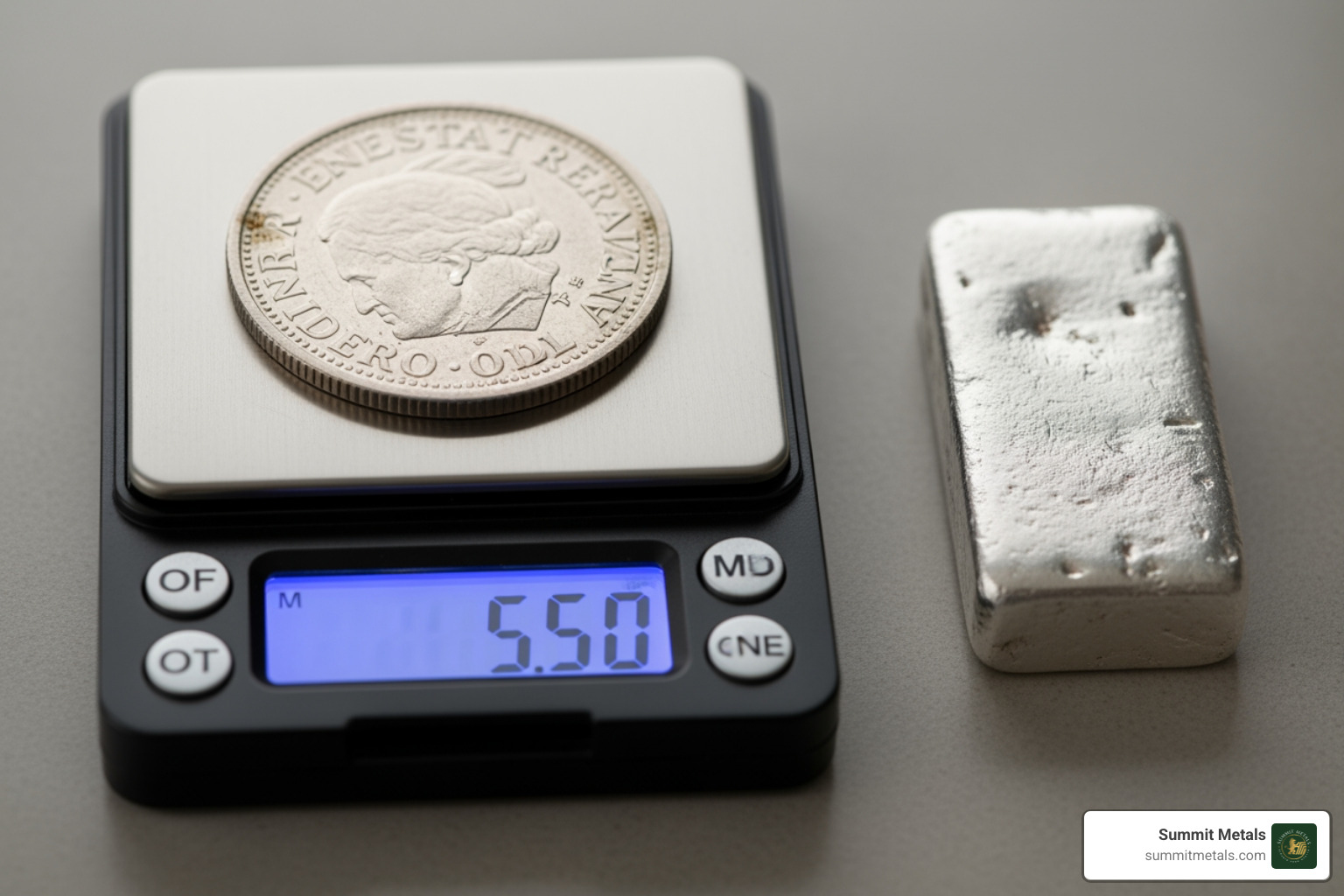
Determine the Weight in Troy Ounces: Weigh your coins on a digital scale that measures in grams or troy ounces (1 troy ounce ≈ 31.1035 grams). For single coins, you can look up their standard weight.
Identify the Metal Purity: Use the percentage of pure silver in the coin (e.g., 0.90 for 90% silver).
Find the Current Spot Price of Silver: Check the live market price for one troy ounce of silver on financial news sites or precious metals dealer websites.
Example Calculation: Let's calculate the melt value for a pre-1965 U.S. quarter.
- Weight: 6.25 grams (approx. 0.2009 troy ounces)
- Purity: 90% (0.90)
- Current Silver Spot Price: Assume $30.00 per troy ounce.
Melt Value = (0.2009 troy oz × 0.90) × $30.00/troy oz Melt Value = 0.18081 troy oz (Actual Silver Weight) × $30.00/troy oz Melt Value = $5.42
For convenience, especially when dealing with many coins, you can use online melt value calculators. These tools provide up-to-the-minute values for a wide range of U.S. coins, helping you quickly determine the intrinsic metal worth of your collection.
The Smartest Ways to Sell Coins for Melt Value
When it's time to sell coins for melt value, choosing the right buyer is as important as knowing your coin's worth. You want a fair price and a secure transaction.
Where to Sell Your Silver Coins: Pros and Cons
There are several avenues for selling silver coins, each with pros and cons. Here's a comparison to help you decide, highlighting why Summit Metals is a preferred choice for sellers in Wyoming and Utah.
| Factor | Summit Metals | Local Coin Shops (e.g., in Salt Lake City, UT or WY) | Online Auction Sites (e.g., eBay) |
|---|---|---|---|
| Price Offered | Highly competitive, real-time, transparent, and often higher due to bulk purchasing. | Varies, typically offers below spot price to cover overhead and profit. | Can be higher if you find the right buyer, but often includes fees. |
| Convenience | Easy online quote, secure mail-in process from anywhere in Wyoming or Utah. | In-person visit required, limited local options. | Listing, communication, and shipping are your responsibility. |
| Speed of Payment | Fast and efficient payment processing once items are verified. | Often immediate cash or check. | Can be delayed by buyer payment processing and dispute resolution. |
| Security | Trusted dealer, insured shipping options, expert verification. | Reputable local businesses, but less anonymity. | Risk of fraud, chargebacks, and shipping damage. |
| Expert Support | Dedicated team for guidance and questions. | Varies by shop, may not specialize in melt value. | None, you are responsible for all aspects. |
Local Coin Shops: Shops in places like Salt Lake City, UT, or across Wyoming offer in-person transactions and immediate payment. However, their offers are typically lower to cover overhead, meaning you might get less than what a specialized online buyer can offer.
Online Auction Sites: Platforms like eBay reach a wide audience, but you'll face significant fees, handle all logistics, and risk dealing with fraud or disputes.
Summit Metals (Specialized Dealer): As a specialized dealer, we offer a streamlined process with transparent, real-time pricing. Our bulk purchasing model allows us to offer competitive rates, making us a top choice for those looking to sell coins for melt value from Wyoming and Utah.
A Step-by-Step Guide to the Selling Process with Summit Metals
Our selling process is simple, transparent, and secure. Here’s how to turn your silver coins into cash:
Sort Your Coins: Pre-sorting coins by purity (90% silver, 40% silver, etc.) can speed up the evaluation.
Get a Quote from Summit Metals: Contact us with your coin details. We provide a fair, competitive offer based on the live silver price.
Lock in Your Price: Once you accept our offer, your price is locked in, protecting you from market drops during shipping.
Secure Packaging: We provide clear instructions on how to package your coins securely for transit.
Insured Shipping: We guide you through insured shipping options to our facility, ensuring your assets are protected.
Receive Payment: Once your coins are verified, we process your payment quickly via your preferred method, such as a bank transfer.
You can find More info about our selling process on our website.
How to Maximize Your Return When You Sell Coins for Melt Value
To get the best return when you sell coins for melt value, follow these strategies:
Timing the Market: The silver price fluctuates. Selling when prices are high can significantly increase your return. Monitor market trends to make an informed decision.
Selling in Bulk: Dealers often offer better prices per ounce for larger quantities because it lowers processing costs.
Understanding Dealer Premiums: All professional buyers deduct a small premium from the melt value to cover operational costs. A reputable dealer will be transparent about this. Expect offers around 90-98% of the melt value, depending on volume and type.
Reinvesting Your Profits: Maximizing your return also involves what you do with the proceeds. Many clients reinvest the cash from selling common silver coins into other precious metals like gold or modern silver bullion. This strategy helps maintain exposure to tangible assets and hedge against inflation. When considering reinvestment, it's useful to compare different forms of precious metals.
| Feature | Gold Coin (e.g., American Gold Eagle) | Gold Bar (e.g., 1 oz Gold Bar) |
|---|---|---|
| Face Value | Yes (legal tender, which helps protect against counterfeiting). | No (pure bullion value only). |
| Legal Tender | Yes, recognized by governments. | No. |
| Recognizability | Highly recognizable and trusted due to government minting. | Recognizable by hallmarks, but less universally than coins. |
| Premium over Spot | Generally higher due to minting costs and legal tender status. | Generally lower, closer to spot price, especially for larger bars. |
| Liquidity | Excellent, often preferred for smaller transactions. | Excellent, especially for larger investments. |
| Fractional Sizes | Widely available in various fractional sizes (1/10 oz, 1/4 oz, 1/2 oz). | Less common in very small fractional sizes. |
| Storage | Easy to store, but can be bulky in very large quantities. | More compact for storing significant value. |
Avoiding Common Mistakes and Understanding Your Obligations
Even when you sell coins for melt value, there are pitfalls to avoid and responsibilities to acknowledge.
Pitfalls to Avoid When You Sell Coins for Melt Value
Selling Rare Coins for Melt Value: This is the costliest mistake. Always verify if your coins have numismatic value before selling them for silver content. A rare date or error can make a coin worth exponentially more to a collector. Get an appraisal or check online price guides (like those from PCGS or NGC) before selling for melt.
Not Knowing the Current Spot Price: Entering a sale without knowing the current silver price puts you at a disadvantage. You won't be able to judge if an offer is fair. Always check the live spot price just before a transaction.
Hidden Fees: Some buyers quote an attractive price but add surprise processing or assaying fees. We pride ourselves on transparent pricing. Always ask for a full breakdown of any offer.
Unreputable Buyers: Be wary of buyers who offer prices that are too good to be true, insist on undocumented cash deals, or have poor reviews. Research a buyer's reputation through the Better Business Bureau or customer testimonials.
Damaging Collectible Coins by Cleaning: Never clean a coin that might have collector value. Cleaning can destroy its surface patina and drastically reduce its numismatic worth. For coins destined for melt, cleaning is unnecessary.
Shipping Without Insurance: When mailing silver coins, always use insured, trackable shipping. The cost of insurance is a small price to pay for peace of mind and protection against loss or theft.
Understanding the Tax Implications of Your Sale
Selling silver coins can have tax implications. While we are not tax advisors, here are key considerations:
Precious Metals as Capital Assets: The IRS generally considers physical precious metals like silver to be capital assets. Any profit from their sale is subject to capital gains tax.
-
Capital Gains Tax:
- Short-Term: If you owned the coins for one year or less, profit is taxed at your ordinary income rate.
- Long-Term: If you owned them for more than one year, profit is taxed at long-term capital gains rates.
- Collectibles Tax: Certain coins may be deemed "collectibles" by the IRS and subject to a higher long-term capital gains tax rate (up to 28% federally).
Reporting to the IRS: Dealers like Summit Metals may be required to report certain large transactions to the IRS. However, you are legally obligated to report any capital gains from your sales, regardless of whether a 1099-B form is issued.
Consulting a Tax Professional: Tax law is complex. We strongly recommend consulting a qualified tax professional or financial advisor in Wyoming or Utah for personalized advice based on your situation.
For more general information, you can refer to More info about selling gold and silver on our blog.
Conclusion: Turn Your Old Silver into a New Investment
You've now got the ultimate guide to understanding, valuing, and successfully selling your silver coins for their melt value. We've walked through identifying real silver, accurately calculating its worth, navigating the best selling channels, and avoiding common pitfalls. Our goal is to empower you to open up the hidden value in your coin jar and make informed financial decisions.
The journey from old coins to cash is more than just a transaction; it's an opportunity. By selling your common silver coins for their intrinsic metal worth, you're not just decluttering; you're converting a dormant asset into liquid capital. This capital can then be strategically deployed to fortify your financial future.
At Summit Metals, we believe in the enduring value of tangible assets. We're here to be your trusted partner, offering transparent, real-time pricing and competitive rates for your silver coins, particularly for our clients in Wyoming and Utah.
Consider reinvesting your proceeds from selling your silver coins into a diversified precious metals portfolio. This is a powerful way to continue building wealth and protect against economic uncertainties. With our Autoinvest Subscription service, you can dollar-cost average your way into physical gold and silver, buying every month just like investing in a 401k. It's a simple, disciplined approach to wealth building.
Don't let those old silver coins sit forgotten. Turn them into a new investment today.